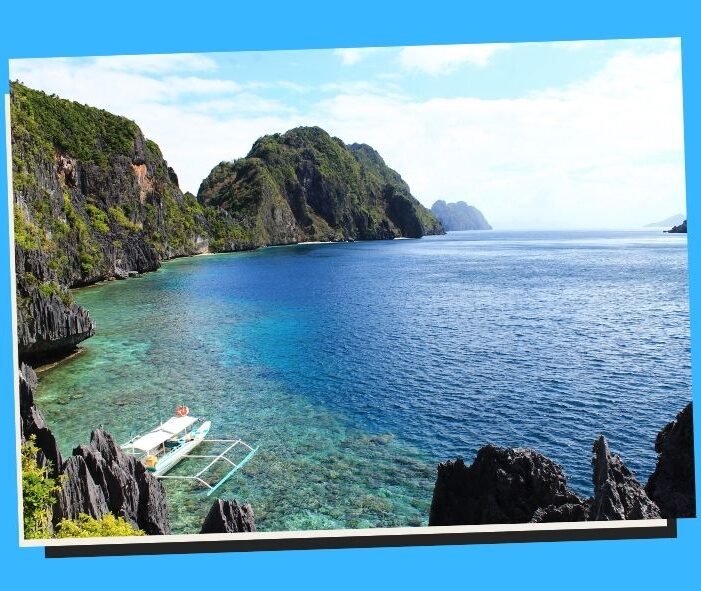
Your Next Getaway: Philippine White Sand Beaches You Probably Haven’t Heard Of (Yet!)
Ready for a true escape? This guide reveals the most breathtaking and secluded Philippine white sand beaches you probably haven’t heard of, complete with tips for your unforgettable journey.
Sun-Kissed Secrets: Philippine White Sand Beaches You Probably Haven’t Heard Of
The Philippines is synonymous with stunning beaches, and while Boracay, El Nido, and Coron are household names, our archipelago of over 7,000 islands holds a treasure trove of lesser-known Philippine white sand beaches you probably haven’t heard of. These hidden gems offer the same powdery shores and crystalline waters, but with the added allure of tranquility, untouched beauty, and a chance for genuine local immersion. LEAD Media News is committed to showcasing the hope, progress, and possibility within the Philippines, and discovering these serene slices of paradise certainly fits the bill.
If you’re an intrepid traveler seeking to escape the crowds and find your own private haven, this guide is for you. We’ll delve into the allure of these undiscovered wonders, providing actionable advice on how to reach them, what to expect, and how to preserve their pristine charm. Get ready to update your travel bucket list with these incredible Philippine white sand beaches you probably haven’t heard of!
How to Discover and Enjoy Philippine White Sand Beaches You Probably Haven’t Heard Of
Unearthing these hidden paradises requires a bit more effort than booking a flight to a popular tourist spot, but the reward is immeasurable.
- Go Beyond the Mainstream: The first step is to deliberately look beyond the most advertised destinations. Use search terms like “secluded beaches Philippines,” “undiscovered islands PH,” or “off-the-beaten-path beaches.”
- Consult Local Travel Blogs and Forums: Filipino travel bloggers and local online communities often share their discoveries. These are excellent sources for real-time information and insider tips.
- Ask Locals: Once you’re in a less-touristy province, engage with locals. They are often the best guides to the truly hidden spots.
- Embrace Basic Accommodations: Many of these untouched beaches might not have luxury resorts. Be prepared for simpler guesthouses, homestays, or even camping. This raw experience is part of their charm!
- Pack Light and Smart: Since transportation to these areas can be challenging (sometimes involving long boat rides or rough roads), pack only essentials.
- Prioritize Sustainable Travel: These destinations are pristine because they haven’t been overdeveloped. Practice strict “Leave No Trace” principles.
- Pack out all your trash.
- Avoid taking souvenirs from the natural environment (shells, sand, corals).
- Support local businesses and guides.
- Be mindful of your water and electricity consumption.
- Be Flexible with Your Itinerary: Travel to remote areas can be subject to weather conditions and local transportation schedules. Have a flexible plan.
- Prepare for Limited Connectivity: Don’t expect strong internet or mobile signals in all these locations. This is an opportunity to truly disconnect!
- Bring Cash: ATMs might be scarce or non-existent. Always carry enough cash for your stay.
- Embrace the Journey: The travel itself to these secluded spots is often an adventure. Enjoy the scenic routes, the boat rides, and the anticipation of discovery.
10 Tips to Improve or Get the Most Out of Your Visit to Philippine White Sand Beaches You Probably Haven’t Heard Of
- Arrive Early or Stay Late: Experience the sunrise or sunset in solitude.
- Engage with Local Communities: Learn about their way of life and support their livelihood.
- Bring a Dry Bag: Essential for protecting your electronics and valuables during boat transfers.
- Snorkel or Dive: Many of these beaches boast incredible, often untouched, marine life.
- Capture Moments, Not Just Photos: Take time to simply soak in the beauty without always looking through a lens.
- Be Aware of Tides: Some beaches or sandbars are best enjoyed during specific tide conditions.
- Pack a Reusable Water Bottle: Minimize plastic waste.
- Bring Reef-Safe Sunscreen: Protect both your skin and the delicate marine ecosystem.
- Learn Basic Local Phrases: A simple “Salamat” (thank you) goes a long way.
- Be Open to Spontaneity: The best discoveries often happen when you’re open to unexpected detours.
10 Benefits Explaining the Advantages of Visiting Philippine White Sand Beaches You Probably Haven’t Heard Of
- Authentic Experience: Connect with local culture and traditions without mass tourism influences.
- Tranquility and Seclusion: Escape crowded areas for true relaxation and peace.
- Pristine Natural Beauty: Witness untouched landscapes and vibrant marine ecosystems.
- Cost-Effective: Often, travel and accommodation in these areas are more affordable.
- Supports Local Economies: Your tourism directly benefits small communities and local businesses.
- Unique Photography Opportunities: Capture stunning, unedited scenes that few others have.
- Sense of Discovery: The thrill of exploring a truly hidden gem is incredibly rewarding.
- Deeper Connection with Nature: Experience the environment in a more raw and intimate way.
- Personal Growth: Navigating less-traveled paths builds resilience and self-reliance.
- Unforgettable Memories: These unique experiences create stories and memories that last a lifetime.
Pros and Cons Detailing the Advantages and Disadvantages
Pros:
- Less Crowded: Enjoy solitude and personal space.
- Untouched Ecosystems: Healthier coral reefs and more abundant marine life.
- Lower Prices: Generally more affordable for food, accommodation, and activities.
- Local Hospitality: Experience genuine warmth and friendliness from residents.
- Unique Adventures: Opportunities for unique activities like exploring hidden caves or waterfalls.
- Promotes Responsible Tourism: Your visit can help advocate for conservation.
- Photographer’s Paradise: Endless opportunities for breathtaking, unique shots.
- Peace and Quiet: A true escape from urban noise and stress.
- Sense of Contribution: Knowing your visit supports the local community directly.
- Authentic Cuisine: Savor fresh, local dishes prepared in traditional ways.
Cons:
- Accessibility Challenges: Can involve longer, more difficult travel (e.g., rough roads, long boat rides).
- Limited Infrastructure: Fewer high-end resorts, restaurants, or amenities.
- Basic Facilities: Restrooms, electricity, and water supply might be intermittent.
- Connectivity Issues: Weak or no mobile signal and internet.
- Weather Dependency: Travel can be severely impacted by bad weather, leading to delays.
- Fewer Organized Activities: You might need to arrange tours and activities independently.
- Language Barrier: English might not be as widely spoken in very remote areas.
- Medical Access: Limited or distant medical facilities in case of emergencies.
- Food Options: Less variety compared to highly commercialized destinations.
- Potential for Discomfort: Rustic travel conditions might not suit all travelers.
Case Studies of People or Companies Successfully Exploring/Promoting Philippine White Sand Beaches You Probably Haven’t Heard Of
- The “Hidden Beaches PH” Vlog Series: A group of Filipino YouTubers dedicated to uncovering and promoting sustainable tourism to these less-visited spots, featuring Philippine white sand beaches you probably haven’t heard of.
- Jomalig Island Homestay Network: Locals on Jomalig Island (Quezon Province) have successfully created a community-based tourism model around their pristine beaches, offering authentic stays.
- “Travel with Juan” Tour Operator: This small tour company specializes in curated trips to remote islands like Calaguas and Maniwaya, emphasizing responsible travel.
- Sarangani Bay’s Gumasa Beach Festival: While now gaining recognition, Gumasa Beach in Sarangani successfully leveraged a local festival to introduce its beautiful white sands without over-commercializing it.
- Palaui Island Ecotourism Project: The local government and communities on Palaui Island (Cagayan) have established strict visitor limits and guided tours to protect its untouched Philippine white sand beaches you probably haven’t heard of.
- The “Island Hoppers” Blog: A couple who quit their jobs to travel the Philippines, consistently sharing in-depth guides and tips for exploring the most secluded and beautiful Philippine white sand beaches you probably haven’t heard of.
- Local Fisherfolk Turned Tour Guides in Britania Islands: In Surigao del Sur, former fishermen now offer island hopping tours to the stunning islets and sandbars, providing sustainable livelihoods.
- Marinduque’s Maniwaya Island Tourism: Despite its relative remoteness, Maniwaya has seen a rise in local tourism by word-of-mouth, thanks to its powdery white sands and vibrant marine life.
- The “Uncharted Waters” Dive Shop: A dive shop that specializes in discovering new dive sites near untouched Philippine white sand beaches you probably haven’t heard of, promoting conservation through their expeditions.
- “Secluded Sands PH” Photography Collective: A group of photographers who organize photo tours to remote beach locations, aiming to inspire appreciation for these hidden gems and encourage responsible visitation.
Key Takeaways that are Essential for Understanding Philippine White Sand Beaches You Probably Haven’t Heard Of
- Beyond the Famous: The Philippines offers countless stunning, uncrowded white sand beaches beyond the popular tourist hubs.
- Adventure Awaits: Reaching these gems often involves an adventurous journey, adding to the unique experience.
- Sustainable Tourism is Crucial: Protecting these pristine environments is paramount for their continued beauty.
- Local Immersion: Engage with local communities for an authentic and enriching travel experience.
- Expect Simplicity: Amenities may be basic, but the natural beauty more than compensates.
- Research is Key: Thorough planning for travel, permits, and supplies is essential.
- Disconnect to Reconnect: Limited connectivity offers a rare opportunity for true digital detox.
- Pack Smart: Light, quick-drying clothing and protective gear are indispensable.
- Cash is King: Always carry enough local currency, as ATMs are rare.
- Be a Responsible Traveler: Leave no trace and contribute positively to the local economy.
10 FAQs with Answers to Common Questions People May Have About Philippine White Sand Beaches You Probably Haven’t Heard Of
Q1: How do I find transportation to these remote beaches?
A1: Public transportation might involve buses, vans, and local tricycles or motorboats. It’s often best to inquire with locals or arrange private transfers once you’re in the nearest major town.
Q2: Are these beaches safe to visit?
A2: Generally, yes. The Philippines is a welcoming country. However, always practice common travel safety: inform someone of your itinerary, avoid walking alone at night in unfamiliar areas, and secure your belongings.
Q3: What’s the typical cost of visiting these lesser-known beaches?
A3: Costs are usually significantly lower than mainstream destinations. Expect to pay for transportation, basic accommodation (P500-P1500/night), food (P100-P300/meal), and any local guide fees.
Q4: Do I need to book accommodations in advance?
A4: For very remote areas, it’s often advisable to contact a local contact or homestay provider ahead of time, especially during peak seasons. However, walk-ins might be possible for simpler setups.
Q5: What should I do if there’s no electricity or limited power?
A5: Bring a power bank, charge all devices when possible, and embrace the opportunity to disconnect. Solar-powered lights or headlamps are useful.
Q6: Can I go island hopping to multiple hidden beaches?
A6: Yes, many regions offer island-hopping tours to nearby secluded spots. Arrange these with local boatmen or accredited tour operators.
Q7: Are these beaches suitable for families with children?
A7: It depends on the beach and the family’s adaptability. Some may require long travel or lack modern amenities, which might not be ideal for very young children. Always research specific locations.
Q8: What kind of food can I expect?
A8: Fresh seafood is a staple! You’ll likely enjoy simple, delicious Filipino home-cooked meals, often prepared with locally sourced ingredients.
Q9: What are some specific examples of Philippine white sand beaches you probably haven’t heard of?
A9: Consider Calaguas Islands (Camarines Norte), Jomalig Island (Quezon), Maniwaya Island (Marinduque), Britania Islands (Surigao del Sur), and Gumasa Beach (Sarangani).
Q10: How can I ensure I’m practicing responsible tourism?
A10: Adhere to Leave No Trace principles, support local businesses directly (not middlemen), respect local customs, and avoid any activities that exploit wildlife or the environment.
Conclusion
The allure of Philippine white sand beaches you probably haven’t heard of is undeniable. These tranquil havens offer an escape from the ordinary, promising not just breathtaking scenery but also profound experiences of cultural immersion and self-discovery. By choosing to explore these hidden gems, you not only embark on an unforgettable personal journey but also contribute to a more sustainable and equitable tourism landscape in the Philippines.
LEAD Media News encourages you to step off the well-trodden path. Research, plan, and prepare, but most importantly, open your heart to the unexpected wonders that await in these undiscovered corners of our beautiful archipelago. The pristine sands, vibrant marine life, and warm smiles of the local communities are calling. Answer the call, and be part of a narrative of hope, progress, and possibility that truly celebrates the Philippines!
Link Resources
- Guide to the Philippines – White Sand Beaches (While it includes popular ones, it also lists some lesser-known options.)
- TripZilla Philippines – Secret Beaches (Focuses on Mindanao’s hidden gems.)
- Lost on Luzon – Hidden Gems (Includes several hidden beaches in Luzon.)
- Leave No Trace Philippines (General Principles) (Essential for responsible travel.)
- Local Province Tourism Websites: (When planning for a specific area, search for the official provincial tourism website, e.g., “Camarines Norte Tourism” or “Sarangani Tourism” for specific information.)
Key Phrases
- Undiscovered Philippine beaches
- Secluded white sand
- Hidden beach destinations
- Off-the-beaten-path Philippines
- Pristine Philippine coastlines
- Authentic island experience
- Responsible beach travel
- Uncrowded Philippine shores
- Local tourism support
- Tropical hidden gems
Best Hashtags
#HiddenBeachesPH #UntouchedPhilippines #SecludedSands #PhilippineGems #TravelPH #ExploreMorePH #WhiteSandSecrets #SustainableTravelPH #IslandLifePH #DiscoverPhilippines

Oliver Bugarin – A blog writer with over a decade of experience in WordPress website creation and management, and creating articles on lifestyle, travel, technology, business, finance, and wellness. He is known for producing clear, engaging articles that resonate with readers and add value to any blog or website.
Contact him for collaborations or content writing opportunities. Facebook – LinkedIn
.
Save/Share this story with QR CODE
Disclaimer
This article is for informational purposes only and does not constitute endorsement of any specific technologies or methodologies and financial advice or endorsement of any specific products or services.
Contact Lead Media News
📩 Feel free to Contact Lead Media News for suggestions, collaborations, reviews, or anything else.





