US Imposes 19% Tariff on Philippine Goods: What This Means for Trade and Economy
In a new trade deal with the Philippines, President Trump announces a 19% tariff on Philippine goods, marking a significant shift in the trade relationship. Learn what this means for both the US and the Philippines.
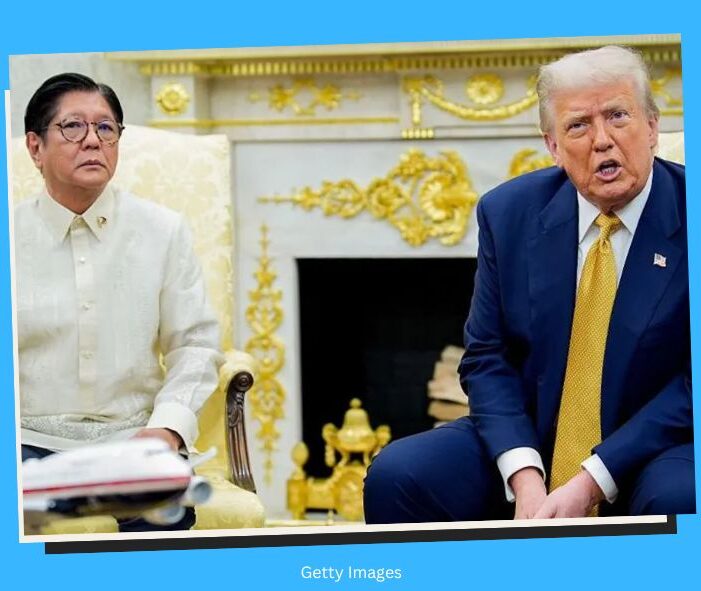
US President Trump Imposes 19% Tariff on Philippine Goods Following White House Talks
In a significant development in US-Philippines trade relations, President Donald Trump has announced that the United States will impose a 19% tariff on imports from the Philippines. The tariff comes as part of a broader trade deal following a recent meeting between Trump and the President of the Philippines at the White House. Trump disclosed the news on social media, describing the visit as “beautiful” and expressing satisfaction with the conclusions reached in their discussions, although the details of the agreement remain sparse.
This move follows a series of global tariff decisions by the Trump administration and signals a shift in the trade dynamics between the two nations. According to Trump’s social media post, the new tariff will be matched by the Philippines removing duties on US goods, suggesting a reciprocal trade agreement. Furthermore, the two countries are expected to enhance their military cooperation, which adds another layer to the trade deal.
The imposition of a 19% tariff is notably higher than the 17% that Trump initially threatened in April, further escalating the trade tensions between the US and its trading partners. While the Philippines has yet to officially confirm the specifics of this agreement, the announcement has sparked concerns and speculation regarding the potential impact on both countries’ economies.
A New Chapter in US-Philippines Trade Relations
The Philippines, while a relatively small trading partner compared to other nations, sends approximately $14.2 billion worth of goods to the US annually, including car parts, electric machinery, textiles, and coconut oil. The imposition of a 19% tariff will likely have a significant impact on Philippine exports, especially in industries like car manufacturing and electronics.
Trump has long maintained that tariffs are necessary to address what he perceives as unfair trade practices by other countries, aiming to push foreign governments into aligning their policies more closely with US interests. His administration has already reached similar trade agreements with countries such as the UK, China, and Indonesia, though the majority of these agreements still maintain high tariffs, and key aspects remain unresolved.
For the Philippines, the new tariff could be seen as a challenge, especially given the small size of its trade with the US. However, some analysts argue that the Philippines may need to look for alternative markets or industries to reduce its reliance on the US for exports. The trade deficit with the US has been a point of contention, and a shift in tariffs could potentially impact the overall balance.
Impact of US Tariffs on Global Trade
The US tariffs have already caused financial ripples across the global market. When Trump initially announced the broad tariffs in April, it sparked financial uncertainty and led to immediate concerns regarding the impact on global supply chains. Countries like Canada and members of the European Union have been actively seeking ways to counter these measures, considering retaliatory tariffs on US goods.
Canada’s Prime Minister Mark Carney commented on the ongoing negotiations, stating that Canada would not accept a “bad agreement” and would continue to resist the pressure from the US. These sentiments reflect the increasing tensions and complex negotiations that continue to unfold in response to Trump’s aggressive tariff plans.
The Philippines’ Position in Global Trade
Despite the looming tariff, the Philippines remains a critical player in certain sectors of the global trade market. Its exports to the US, which primarily consist of car parts, machinery, and agricultural products, are vital to both the Philippine economy and key US industries. However, the imposition of a 19% tariff will likely make Philippine goods less competitive in the US market, especially in the electronics and manufacturing sectors.
General Motors (GM) has already reported that tariffs have cost the company over $1 billion over just three months. Other companies, such as Stellantis, maker of Jeep, have also disclosed significant financial losses due to the tariffs. This is a reminder of the economic strain tariffs can place on businesses, driving up costs for both producers and consumers.
The Philippines may find itself needing to adjust by diversifying its export markets, particularly in the face of the growing challenges from US tariffs. With the new trade deal in place, there is an opportunity for the Philippines to bolster its export market within the Southeast Asian region and other parts of the world. But for now, the Philippines faces the challenge of balancing this new tariff structure with the need to maintain positive relations with the US.
Benefits of the Proposed Tariff System
- Reciprocity: Both countries are agreeing to remove tariffs on each other’s goods, which could open up new markets for Philippine products in the US.
- Increased Cooperation: The agreement emphasizes stronger US-Philippines military cooperation, which could enhance bilateral ties beyond trade.
- Reduced Redundancies: The new tariff structure could streamline trade by making policies more uniform and predictable.
- Trade Diversification: The Philippines could look to diversify its trade relationships, opening opportunities with new partners outside the US.
- Potential for Industry Growth: By strengthening military cooperation, the US and Philippines might foster growth in sectors related to defense and security.
- Focus on Key Sectors: With clearer trade relations, the Philippines can focus on specific industries that align with US interests, such as electronics or agriculture.
- Increased Local Production: Local industries may benefit from lower tariffs on US goods entering the Philippines, stimulating domestic production.
- Enhanced Foreign Investment: A formalized trade deal could make the Philippines an attractive destination for foreign investors seeking new trade opportunities.
- Technology Transfer: The agreement could facilitate the transfer of US technology to the Philippines, boosting local industries.
- Public-Private Partnerships: The deal could encourage further public-private partnerships in infrastructure, technology, and trade development.
Tips for Navigating the 19% Tariff on Philippine Goods
- Stay Updated: Keep up with the latest trade news to understand how the tariffs will affect your industry.
- Explore New Markets: Look for alternative markets outside the US, especially in Asia and Europe.
- Leverage Trade Agreements: Explore other trade agreements that might offer lower tariffs and expand market access.
- Focus on High-Value Products: Focus on exporting high-value goods that are less likely to be impacted by tariffs.
- Enhance Domestic Production: Strengthen local production capabilities to reduce dependence on exports to high-tariff countries.
- Diversify Export Portfolio: Don’t rely on a single product or market. Diversify your export portfolio to reduce risk.
- Engage in Lobbying: Work with trade organizations to advocate for favorable tariff policies.
- Optimize Supply Chain: Reevaluate supply chain processes to ensure the least disruption from new tariffs.
- Consider Export Credit Insurance: Use insurance to mitigate potential financial losses from trade disruptions.
- Enhance Local Value-Added Services: Add value to exports locally by focusing on quality control and packaging to improve competitiveness.
Insights on the Trade Situation
- Tariffs as a Negotiating Tool: Trump’s use of tariffs is meant to pressure countries into adjusting trade policies in the US’s favor.
- Global Trade Uncertainty: Tariffs create uncertainty that disrupts global supply chains, leading to unpredictable market conditions.
- Impact on SMEs: Small and medium enterprises in both the US and the Philippines are particularly vulnerable to the effects of tariffs.
- Short-Term Gains, Long-Term Strain: While tariffs may provide short-term economic benefits, they could strain relationships in the long run.
- Importance of Military Ties: Trade agreements now include elements of military cooperation, indicating the growing intersection of economics and defense.
- Shifting Trade Alliances: Countries are increasingly seeking new trade alliances to offset the effects of tariffs imposed by the US.
- Complex Negotiations: Trade negotiations are becoming more complex, with multiple factors, such as military cooperation, influencing the final agreements.
- Economic Nationalism: Trump’s policies reflect a rise in economic nationalism, where countries prioritize domestic interests over international cooperation.
- Adapting to Global Changes: Countries like the Philippines must quickly adapt to the changing dynamics of global trade and tariff policies.
- The Tariff Domino Effect: As more countries impose tariffs, a domino effect ensues, causing other nations to retaliate with their own tariffs.
Frequently Asked Questions (FAQ)
- What is the new tariff on Philippine goods?
The new tariff imposed by the US is 19%, which applies to goods imported from the Philippines. - Why is the US imposing this tariff?
The tariff is part of a broader trade agreement in which the Philippines has agreed to remove tariffs on US goods and enhance military cooperation. - How will this affect the Philippines?
This tariff could increase the cost of Philippine goods entering the US market, potentially affecting industries like electronics and car parts. - What products will be most affected by the tariff?
Products such as car parts, electric machinery, textiles, and coconut oil are among the most affected by the new tariff. - What is the Philippines’ response to the tariff?
The Philippines has not officially confirmed the details of the agreement, and the government has yet to make a public statement. - How does this tariff compare to previous US tariffs on the Philippines?
This 19% tariff is higher than the 17% previously threatened by Trump in April. - What is the goal of Trump’s tariff policies?
Trump aims to adjust global trade policies in the US’s favor, applying tariffs as leverage for more favorable agreements. - Will the Philippines retaliate with its own tariffs?
The Philippines has not yet announced any retaliatory measures, but it is monitoring the situation. - What other countries have been impacted by similar tariffs?
Other countries like China, Canada, and the European Union have also been subject to US tariffs. - What are the long-term implications of these tariffs?
While tariffs might bring short-term benefits, they could lead to long-term economic strain and strained diplomatic relations.
Conclusion
The imposition of a 19% tariff on Philippine goods marks a pivotal moment in US-Philippines trade relations. While the agreement includes positive steps toward military cooperation and reciprocal tariff reductions, the economic impact of these tariffs could be significant for both countries. For the Philippines, the immediate focus will be on mitigating the effects on key industries, such as electronics and agriculture, while finding new markets for its products. The broader international trade landscape remains uncertain, and the repercussions of these tariff measures will likely reverberate far beyond bilateral relations between the US and the Philippines.
Link Resources
- Philippines-US Trade Relations Overview
- US Tariffs: What’s the Impact? | J.P. Morgan Global Research
- Global trade tensions escalate amid new US tariffs
- U.S. Security Cooperation with the Philippines
- Tariffs 101: What are they and how do they work?
Key Phrases
US tariffs, Philippine goods, trade agreements, trade tariffs, global trade policy, Philippines exports, bilateral relations, trade wars, economic nationalism, Philippines economy
Best Hashtags
#USTariffs #PhilippinesTrade #GlobalEconomy #TradeWar #PhilippinesExports #TradeAgreements #TariffImpact #EconomicNationalism #USPhilippinesRelations #TradePolicy

Oliver Bugarin – A blog writer with over a decade of experience in WordPress website creation and management, and creating articles on lifestyle, travel, technology, business, finance, and wellness. He is known for producing clear, engaging articles that resonate with readers and add value to any blog or website.
Contact him for collaborations or content writing opportunities. Facebook – LinkedIn
.
Save/Share this story with QR CODE
Disclaimer
This article is for informational purposes only and does not constitute endorsement of any specific technologies or methodologies and financial advice or endorsement of any specific products or services.
Contact Lead Media News
📩 Feel free to Contact Lead Media News for suggestions, collaborations, reviews, or anything else.





