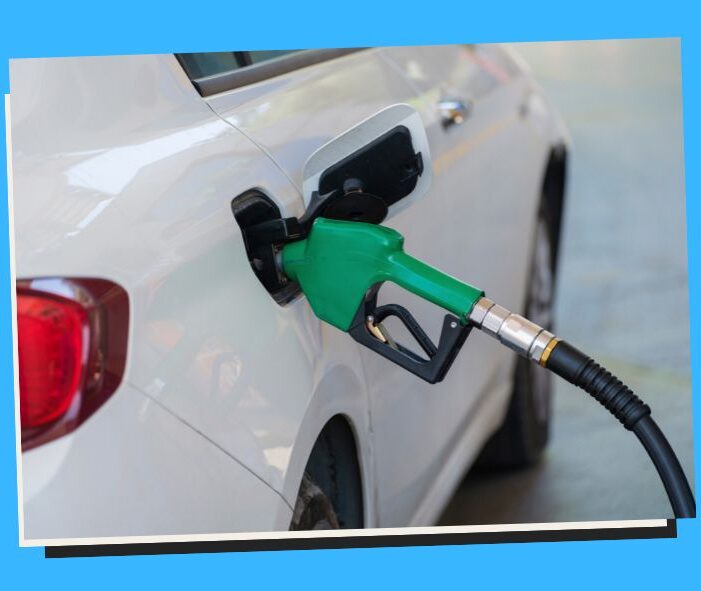
Motorists Brace for Another Fuel Price Hike This Week: What You Need to Know
Fuel prices are going up again. Learn about the factors behind the price hikes and how they will affect your budget.
Oil Prices Set for Another Increase: What It Means for Motorists and the Economy
In a continuing trend this July, motorists in the Philippines will face higher fuel prices for the second consecutive week, starting July 22, Tuesday. The latest increase in gasoline, diesel, and kerosene prices is the result of multiple factors, including global demand trends and the impact of a weakening Philippine peso against the dollar. These price hikes are expected to affect consumers’ daily expenses, particularly those who rely heavily on fuel for transportation, and have broader implications for the national economy.
Understanding the Price Increases
The price adjustments set to take effect next week are as follows:
- Gasoline: Expected increase of P0.20 – P0.40 per liter
- Diesel: Expected increase of P0.90 – P1.10 per liter
- Kerosene: Expected increase of P0.50 – P0.70 per liter
These changes reflect global supply and demand dynamics, which are directly linked to the global price of crude oil. As oil prices increase on the international market, local oil firms adjust their retail prices to reflect the rising costs of importation. The Philippines, like many other countries, imports a significant portion of its oil, making it sensitive to fluctuations in global oil prices.
Demand-Driven Price Hike
Oil companies have attributed the price increases to a rise in global demand for crude oil, a key driver of oil prices. As economies around the world begin to recover from the impacts of the COVID-19 pandemic, there has been a surge in the demand for fuel. This is particularly true for countries that are reopening industries and businesses that had been closed or scaled back due to the pandemic. The increase in demand for both gasoline and diesel is being felt worldwide, putting upward pressure on prices.
Additionally, rising demand from emerging markets, particularly in Asia, is contributing to the tightening of global oil supply, further driving price increases. These trends highlight the interconnectedness of global oil markets and how fluctuations in demand and supply can lead to price adjustments at the local level.
The Impact of a Weakening Peso
Another significant factor contributing to the increase in fuel prices is the weakening of the Philippine peso against the U.S. dollar. The value of the peso has been under pressure recently, which makes oil imports more expensive for local companies. Since oil transactions are typically denominated in U.S. dollars, a weaker peso means that oil firms will need more pesos to purchase the same amount of oil. This added cost is often passed on to consumers in the form of higher fuel prices.
The exchange rate is an important consideration in the price of oil in the Philippines because it directly affects the cost of oil imports. When the peso weakens, the cost of importing goods, including crude oil, increases, which, in turn, leads to higher prices for consumers. This dynamic is a reminder of the vulnerability of countries like the Philippines, which rely on imports for much of their energy needs, to currency fluctuations.
Implications for Motorists
For motorists, these price hikes will undoubtedly have an immediate impact on their daily expenses. As fuel prices rise, consumers may find themselves spending more on commuting or running errands, which could affect their household budgets. Diesel, which is commonly used in public transportation, will likely see an even greater impact on fares, further contributing to the cost of living for many Filipinos.
Given that the price increase is happening for the second time in July, motorists who were hoping for some relief from rising fuel costs may be disappointed. In light of the ongoing economic challenges and inflationary pressures, these price hikes are likely to put additional strain on households, particularly those with limited financial flexibility.
Broader Economic Impacts
The increase in oil prices is not only a concern for individual consumers but also has broader implications for the Philippine economy. Higher fuel prices can contribute to overall inflation, as the cost of transportation and logistics rises. This, in turn, can lead to higher prices for goods and services across the economy.
For businesses, the increased cost of fuel can result in higher operational costs, particularly for those that rely heavily on transportation or delivery services. These businesses may need to adjust their pricing strategies to accommodate the rising costs, which could contribute to inflationary pressures. Additionally, industries like manufacturing, agriculture, and logistics are particularly sensitive to fuel price fluctuations, as transportation is a key part of their supply chain.
Benefits of Understanding Oil Price Dynamics
- Informed Decision-Making – By understanding the factors driving fuel price increases, consumers can make more informed decisions about their transportation choices and energy use.
- Adaptation to Market Conditions – Knowing the reasons behind oil price fluctuations helps businesses and individuals better prepare for future price hikes.
- Efficient Budgeting – Understanding the impact of rising fuel prices can help households and businesses plan and allocate their resources more effectively.
- Investment Opportunities – A clear understanding of oil price trends may lead to investment opportunities in energy markets or alternatives to traditional fuel.
- Environmental Awareness – Rising fuel costs may encourage individuals and businesses to consider alternative energy sources or more fuel-efficient technologies.
- Policy Advocacy – Knowledge of oil price dynamics can empower citizens to engage in policy discussions related to energy security, subsidies, and government intervention.
- Encourages Energy Conservation – As fuel prices rise, there may be a greater incentive to conserve energy, promoting sustainability and reducing overall consumption.
- Promotes Efficient Transportation – Higher fuel prices may encourage more efficient use of transportation, such as carpooling or the use of public transit.
- Business Cost Management – For businesses, understanding the drivers of oil price increases can help with cost management and forecasting.
- Long-Term Planning – By keeping track of fuel price trends, individuals and businesses can plan for long-term energy needs and adapt to changing market conditions.
Tips for Managing Rising Fuel Prices
- Carpooling – Share rides with others to reduce fuel consumption and costs.
- Use Public Transportation – Consider using public transportation or other alternatives to reduce reliance on personal vehicles.
- Drive Efficiently – Adopt fuel-efficient driving practices, such as avoiding rapid acceleration and excessive idling.
- Regular Vehicle Maintenance – Keep your vehicle in top condition to ensure optimal fuel efficiency.
- Track Fuel Prices – Stay informed about fuel price trends to make smarter decisions about when and where to refuel.
- Use Fuel-Efficient Vehicles – Consider investing in a fuel-efficient or hybrid vehicle to reduce fuel costs in the long term.
- Plan Routes Wisely – Optimize your driving routes to avoid unnecessary detours and reduce fuel consumption.
- Consider Alternative Fuels – Explore options like electric vehicles or alternative fuels, which may provide long-term savings.
- Monitor Exchange Rates – Stay informed about the Philippine peso’s exchange rate against the dollar, as it directly affects fuel prices.
- Advocate for Renewable Energy – Support policies and initiatives that promote the use of renewable energy sources, which can help reduce reliance on fossil fuels.
Insights into the Oil Price Situation
- Global Demand Drives Prices – The increase in demand for oil as global economies recover is a key factor influencing the rise in fuel prices.
- Currency Fluctuations Matter – The weakening of the Philippine peso against the U.S. dollar is a significant contributor to higher oil prices.
- Oil Price Sensitivity – The Philippines, being an oil-importing country, is highly sensitive to global oil price fluctuations.
- Impact on Inflation – Rising fuel prices contribute to overall inflation, affecting the cost of goods and services.
- Increased Transportation Costs – Higher fuel prices will directly affect the cost of transportation, impacting businesses and consumers alike.
- Public Transportation Affected – Public transportation fares may rise as the cost of diesel increases, adding to the financial burden of many Filipinos.
- Government Role – Government policies and interventions, such as fuel subsidies or tax adjustments, play a crucial role in mitigating the impact of rising fuel prices.
- Long-Term Energy Strategy – The situation highlights the need for a sustainable energy strategy, focusing on renewable energy sources and energy efficiency.
- Business Strategy Adjustments – Businesses may need to adjust pricing and cost management strategies to cope with rising fuel costs.
- Increased Focus on Fuel Alternatives – The rise in fuel prices may spur increased interest in alternative energy solutions, including electric vehicles and solar-powered options.
Frequently Asked Questions (FAQs)
- Why are oil prices increasing again this week?
The increase is driven by higher global demand for oil and a weakening Philippine peso, making oil imports more expensive. - How much will fuel prices increase?
Gasoline will increase by P0.20 – P0.40 per liter, diesel by P0.90 – P1.10 per liter, and kerosene by P0.50 – P0.70 per liter. - Why is the peso weakening?
The peso’s depreciation against the dollar is influenced by various factors, including global economic conditions and market speculation. - How does the increase in fuel prices affect the cost of living?
Higher fuel prices contribute to increased transportation costs, which can lead to higher prices for goods and services across the economy. - Will these price increases continue?
Price increases will depend on global oil market trends and the performance of the Philippine peso. - What can I do to reduce my fuel expenses?
Consider carpooling, using public transportation, or switching to a more fuel-efficient vehicle to minimize costs. - How can I monitor fuel prices?
Stay informed by checking news reports, fuel price tracking apps, or your local gas station. - Will public transportation fares increase?
Yes, the rise in diesel prices may lead to higher fares for public transportation services. - How does the government respond to rising fuel prices?
The government may implement measures like fuel subsidies, adjustments to taxes, or incentives for alternative energy sources to mitigate the impact. - What are the long-term effects of rising fuel prices?
In the long term, rising fuel prices can lead to increased inflation, higher living costs, and greater interest in alternative energy solutions.
Conclusion
The recent increase in fuel prices underscores the complex dynamics of global oil markets and the impact that external factors, such as currency fluctuations, can have on local prices. For consumers, these price hikes are a reminder of the importance of adapting to changing market conditions. By staying informed and adopting strategies to conserve energy, individuals and businesses can better navigate the challenges posed by rising fuel costs. In the long run, these developments may also highlight the need for a more sustainable energy future, encouraging the adoption of alternative energy sources and more efficient technologies. 🌍⛽
Link Resources
- Department of Energy (DOE) – Philippines
- Bangko Sentral ng Pilipinas (BSP) – Currency Exchange Rates
- Fuel Price Update Philippines
- Reuters – Global Oil Price Trends
- Oil News Today | OilPrice.com
Key Phrases
oil price increase, fuel price adjustments, gasoline price hike, diesel price rise, kerosene price increase, demand-driven fuel prices, Philippine peso depreciation, oil import costs, global oil market trends, fuel price impact on economy
Best Hashtags
#FuelPriceIncrease #OilPrices #GasolinePriceHike #DieselPriceRise #KerosenePrices #OilMarketTrends #PhilippineEconomy #PesoDepreciation #EnergyCosts #SustainableEnergy

Oliver Bugarin – A blog writer with over a decade of experience in WordPress website creation and management, and creating articles on lifestyle, travel, technology, business, finance, and wellness. He is known for producing clear, engaging articles that resonate with readers and add value to any blog or website.
Contact him for collaborations or content writing opportunities. Facebook – LinkedIn
.
Save/Share this story with QR CODE
Disclaimer
This article is for informational purposes only and does not constitute endorsement of any specific technologies or methodologies and financial advice or endorsement of any specific products or services.
Contact Lead Media News
📩 Feel free to Contact Lead Media News for suggestions, collaborations, reviews, or anything else.





