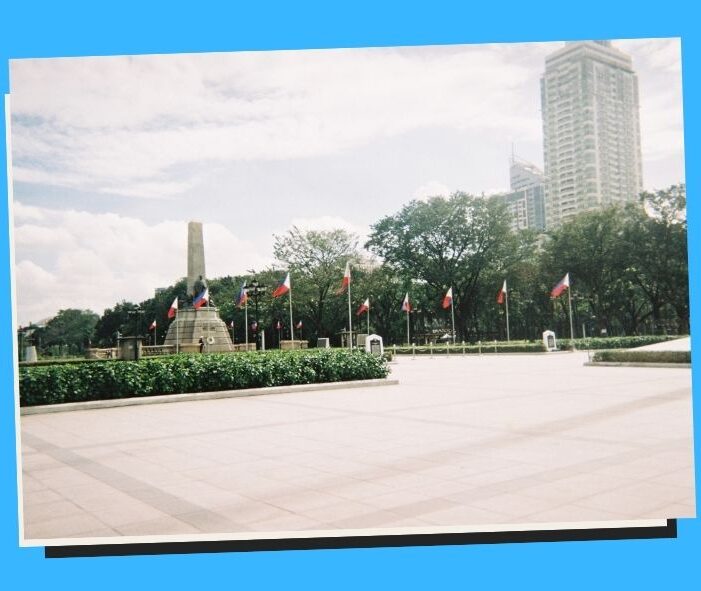
The P3.16 Trillion Hero: How Domestic Travelers are Saving Philippine Tourism
A new report reveals domestic travel is the powerhouse behind PH tourism’s recovery, with Filipinos spending a staggering P3.16 trillion.
The P3.16 Trillion Secret: How Filipino Travelers Became the Unsung Heroes of a Resurgent Tourism Industry
In the grand story of the Philippines’ economic recovery, a powerful and often underestimated hero has emerged. It is not a foreign dignitary or a global conglomerate, but the Filipino traveler. Armed with a renewed passion for exploring their own backyard, domestic tourists have become the steadfast engine driving the nation’s tourism industry, injecting a staggering PHP 3.16 trillion into the economy in 2024 alone. This isn’t just a comeback; it’s a powerful statement of resilience, pride, and the immense, untapped potential of our local market.
According to a recent report by leading real estate advisory firm Leechiu Property Consultants (LPC), the strength of domestic travel is so profound that it is more than compensating for the current shortfall in international arrivals. This trend is reshaping our understanding of the tourism landscape and setting a bold new direction for the future. For business owners, marketing professionals, investors, and every Filipino who loves to travel, this is a pivotal moment. This article will dive deep into this domestic tourism boom, exploring the data, the dynamics, and the incredible opportunities it unlocks for a more stable, inclusive, and vibrant Philippine tourism sector.
The Powerhouse Within: Unpacking the Domestic Travel Boom
During a recent presentation in Makati City, Alfred Lay, LPC’s Director for Hotels, Tourism, and Leisure, put it plainly: “Domestic travel is so big. It’s so big and strong that it can make up for… the shortfall of international arrivals.” This is not just an opinion; it’s a fact backed by compelling data. The PHP 3.16 trillion spent by domestic travelers last year not only shows incredible vigor but has also surpassed the pre-pandemic peak of PHP 3.14 trillion. This robust activity was a key reason why tourism contributed a significant 8.9 percent to the country’s Gross Domestic Product (GDP) in 2024.
This domestic resurgence provides a crucial buffer of stability for the industry. While the international market is showing its own signs of a healthy rebound—with expenditures reaching PHP 699 billion and inbound arrivals projected to hit at least six million this year—it remains susceptible to global shifts. For instance, the LPC report noted a 19 percent dip in arrivals from South Korea, our top market, likely due to negative media coverage abroad. However, this was remarkably offset by a surge in long-haul tourists from the United States, Japan, Australia, and Canada, demonstrating a promising diversification of our international audience.
This entire dynamic underscores a vital lesson: a strong domestic tourism base is the bedrock of a resilient industry. It is the foundation upon which a more sustainable and less volatile international tourism strategy can be built. The long-term goal, as Lay suggests, is nothing short of audacious: to double the size of domestic tourism within the next five to ten years.
Furthermore, the report addresses a common misconception: the cost of travel in the Philippines. Contrary to chatter about it being expensive, the data shows that the Philippines offers incredible value. In terms of hotel average daily rates (ADR), the country ranks fourth among its key Southeast Asian competitors at PHP 6,048, significantly more affordable than Thailand (PHP 8,171). As Lay confidently stated, “We’re still very price competitive across the region… As we scale, we improve our infrastructure, our transportation costs come down, which will keep us relevant and will improve our numbers over the mid to long-term.”
Benefits of a Thriving Domestic Tourism Sector
- Economic Resilience: A strong domestic market makes our tourism industry less vulnerable to global pandemics, geopolitical tensions, and negative travel advisories from other countries.
- Wealth Distribution: Money spent by Filipinos in different provinces circulates within the local economy, directly supporting communities and spreading wealth beyond major urban centers.
- Fosters National Pride and Identity: Exploring our own country deepens our appreciation for our diverse culture, history, and natural wonders. 🇵🇭
- Year-Round Demand: Domestic travelers often travel during weekends, holidays, and school breaks, creating a more consistent, year-round demand compared to the seasonal patterns of some international markets.
- Empowers Micro, Small, and Medium Enterprises (MSMEs): The majority of tourism spending benefits small, locally-owned businesses like family-run inns, neighborhood restaurants, and independent tour operators.
- Drives Local Infrastructure Development: High demand from domestic tourists encourages local governments to improve roads, public transport, and local amenities.
- Acts as an Incubator for New Destinations: Filipinos are often the first to discover and popularize “hidden gems,” which can then be developed and marketed to an international audience.
- Creates Sustainable Local Jobs: It provides stable employment for millions of Filipinos in the hospitality, transportation, and food and beverage sectors.
- Strengthens Family and Social Bonds: Travel is a powerful way for Filipino families and barkadas to connect and create lasting memories.
- Reduces “Tourism Leakage”: More money stays within the country’s economy, as opposed to international travel, where significant portions can go to foreign airlines and hotel chains.
Actionable Tips to Capitalize on the Domestic Boom
- For Hospitality Businesses: Create special packages tailored to the Filipino market: family packages, barkada deals, and staycation promos that resonate with local travel habits.
- For Marketing Professionals: Leverage authentic, user-generated content from Filipino travelers. Feature real stories and experiences rather than just glossy, generic ads.
- For Filipino Travelers: Be a responsible tourist. Practice “Leave No Trace,” support local businesses by buying authentic products, and respect local customs.
- For Content Creators: Your platform is powerful. Feature emerging local destinations, champion sustainable tourism practices, and tell the unique stories of the communities you visit.
- For Local Government Units (LGUs): Invest in safety, sanitation, and accessibility. A clean, safe, and easy-to-navigate town will always attract more visitors.
- For Airlines and Transport Companies: Continue offering seat sales and promos for domestic routes. The affordability of transportation is a key driver for local travel decisions.
- For Real Estate Investors: Look beyond traditional hotspots. The LPC report signals that emerging domestic tourism destinations are the next frontier for property development.
- For Restaurant Owners: Champion local and regional cuisine. Food is one of the top reasons Filipinos travel, so make your establishment a culinary destination.
- For Educators: Encourage school field trips and educational tours to historical and cultural sites to instill a love for the country in the younger generation.
- For Everyone: Share your positive travel experiences online. Your simple post about a great local restaurant or a beautiful hidden beach could be the inspiration for someone else’s next adventure.
Insights from an Industry Perspective
- Domestic-Led Recovery is a Classic, Healthy Pattern: In the aftermath of any global tourism crisis, a healthy market almost always recovers from the inside out. The sheer scale of the Philippine domestic rebound is what makes it exceptional.
- The PHP 3.16 Trillion Figure is a Conservative Estimate: This number typically tracks formal expenditures. The true economic impact, including spending at informal vendors and small community businesses, is likely much larger.
- Market Diversification is Key to International Stability: The report’s data on the drop in Korean arrivals versus the rise in long-haul tourists is a vital lesson in not being over-reliant on a single source market.
- The “Price Competitiveness” Argument is Our Strategic Advantage: While some flights can be pricey, the affordability of our hotels, food, and tours gives us a significant competitive edge that we must work to maintain.
- Infrastructure is the Next Bottleneck to Solve: The report subtly points out that as we improve infrastructure, transport costs will come down. This is the key to unlocking the full potential of both domestic and international tourism.
- This Trend is Driven by a New Generation of Travelers: Millennials and Gen Z, empowered by social media and a desire for authentic experiences, are the primary engines of this domestic exploration boom. 🗺️
- Real Estate and Tourism are Deeply Intertwined: The fact that a property consultancy firm is delivering this report highlights a crucial link: where tourists go, property development and investment follow.
- The Goal to “Double” is a Call for Transformation: Doubling domestic tourism requires more than just marketing; it necessitates a massive push in infrastructure, product development, and digitalization across the board.
- Domestic Tourists are Our Most Honest Critics: They are more likely to provide direct and honest feedback, which can be invaluable for businesses looking to improve their services before the international market returns in full force.
- This is the Foundation, Not the Ceiling: A strong domestic tourism sector is not the end goal itself. It is the solid foundation that will allow the Philippines to sustainably absorb and manage a much larger influx of international tourists in the years to come.
Frequently Asked Questions (FAQ)
- What does “domestic tourism expenditure” mean? It refers to the total amount of money spent by residents of a country for tourism purposes within their own country.
- Is it really true that domestic travel is bigger than international travel in the PH? Yes. In terms of total expenditure, the PHP 3.16 trillion from domestic travelers in 2024 was more than four times the PHP 699 billion from international visitors.
- Why is a strong domestic tourism market important? It makes our tourism industry more resilient to global problems, distributes wealth more evenly across the country, and creates a stable base of demand for local businesses.
- Is it really cheaper to travel in the Philippines? According to the LPC report, yes. In terms of hotel rates, we are more affordable than top competitors like Thailand. While specific airfares can sometimes be high, the overall cost of a holiday can be very competitive.
- Why did the number of Korean tourists decrease? The report suggests it was likely due to “negative media coverage” in South Korea regarding security issues in the Philippines, which can temporarily affect travel decisions.
- Who is Leechiu Property Consultants (LPC)? LPC is a leading real estate services and advisory firm in the Philippines that provides research and insights on the property market, which is closely linked to the tourism industry.
- What does Hotel ADR stand for? ADR stands for Average Daily Rate. It is a key metric in the hospitality industry that calculates the average rental income per occupied room per day.
- What can be done to lower domestic travel costs? Continued investment in infrastructure, particularly airports and better road networks, and increased competition among airlines can help bring down transportation costs over time.
- How can I help support domestic tourism? Travel within the country, prioritize buying from local businesses and artisans, post about your positive experiences on social media, and be a respectful and responsible tourist.
- What is the government’s long-term plan for domestic tourism? The goal is to double its size in the next 5 to 10 years by improving infrastructure, developing new tourism products, and continuously promoting the beauty and diversity of the Philippines to Filipinos themselves.
Conclusion: Our Greatest Adventure is in Our Own Backyard
The PHP 3.16 trillion figure is more than a data point; it is the collective heartbeat of millions of Filipinos rediscovering the magic of their homeland. It is the story of a family marveling at the beaches of Palawan, a group of friends hiking the mountains of the Cordilleras, and a solo traveler savoring the flavors of Iloilo. The Filipino traveler has proven to be the resilient, steadfast, and powerful hero of our tourism recovery. This is a moment for celebration, but also a call to action. Let us continue to champion our own, to explore with curiosity, and to invest our time and resources in the 7,641 islands we call home. For in doing so, we are not just taking a vacation; we are actively building a stronger, more prosperous, and more beautiful Philippines for all. ✈️
Link Resources
- Department of Tourism – Philippines – The official portal for discovering destinations across the country.
- Leechiu Property Consultants (LPC) – The source of the report, for those interested in real estate and market analysis.
- Philippine News Agency (PNA) – A reliable source for official government news and updates.
- Philippine Airlines – A major player in domestic air travel.
- Cebu Pacific Air – Another key airline for domestic seat sales and promotions.
Key Phrases
- Domestic travel Philippines
- Philippine tourism recovery
- Leechiu Property Consultants report
- Domestic tourism expenditure
- Tourism contribution to GDP
- International arrivals Philippines
- Price competitive travel Philippines
- Hotel Average Daily Rate (ADR)
- Philippine infrastructure improvement
- Filipino traveler impact
Best Hashtags
#SupportLocalPH#TravelPH#ItsMoreFunInThePhilippines#WowPhilippines#ExplorePinas#DomesticTourismPH#PhilippineEconomy#LoveThePhilippines#ChoosePhilippines

Oliver Bugarin – A blog writer with over a decade of experience in WordPress website creation and management, and creating articles on lifestyle, travel, technology, business, finance, and wellness. He is known for producing clear, engaging articles that resonate with readers and add value to any blog or website.
Contact him for collaborations or content writing opportunities. Facebook – LinkedIn
.
Save/Share this story with QR CODE
Disclaimer
This article is for informational purposes only and does not constitute endorsement of any specific technologies or methodologies and financial advice or endorsement of any specific products or services.
Contact Lead Media News
📩 Feel free to Contact Lead Media News for suggestions, collaborations, reviews, or anything else.





