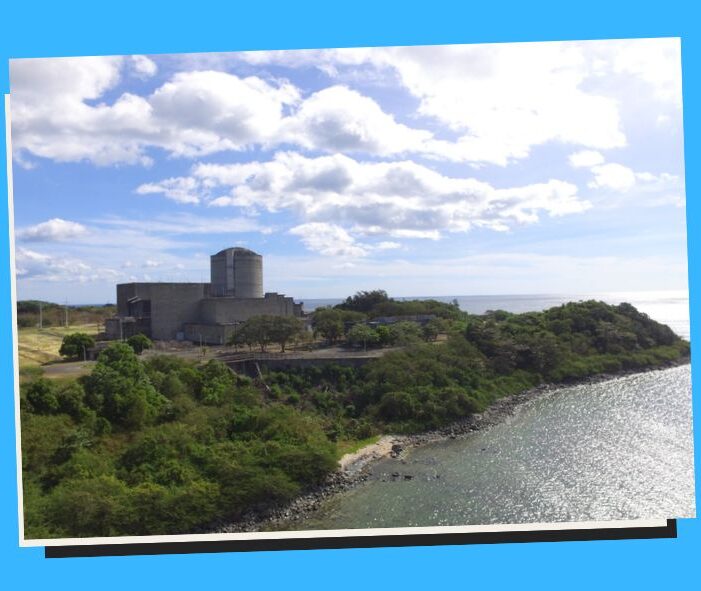
DOE’s Nuclear Energy Proposal: An Opportunity for a Cleaner, More Secure Future
The DOE’s proposed nuclear energy circular is not a mandate but a choice. Find out what this means for the country’s energy future.
Proposed Nuclear Energy Circular: An Option, Not a Mandate for Power Distribution Utilities ⚡️🌍
In a recent announcement, the Department of Energy (DOE) has introduced a draft circular on nuclear power, which is set to be discussed during an upcoming public consultation next week. The proposed circular aims to provide power distribution utilities (DUs) with the option to incorporate nuclear power into their energy mix as a means of meeting demand, but it does not mandate their participation in nuclear energy projects. This proposal aligns with the country’s broader efforts to diversify its energy sources and enhance energy security, which is becoming increasingly crucial as the Philippines navigates challenges in power generation and environmental sustainability.
Patrick Aquino, Director of the DOE’s Energy Utilization Management Bureau, explained during a press briefing that the circular’s purpose is to offer DUs another alternative for expanding their capacity. By providing a new energy option, the DOE allows these utilities to explore nuclear energy as a potential source of power if they determine it fits their operational needs. However, Aquino emphasized that the decision to invest in nuclear energy will remain voluntary, guided by the principles of the Electric Power Industry Reform Act (EPIRA), which promotes least-cost power generation.
This initiative comes at a time when the Philippines is looking to balance its growing energy demands with the need for more sustainable, reliable, and environmentally friendly power sources. The proposed circular seeks to introduce nuclear energy into the nation’s energy mix, offering potential benefits such as reducing carbon emissions, supporting economic growth, and providing a stable power supply.
Benefits of Nuclear Energy for the Philippines
- Environmentally Friendly – Nuclear power plants do not produce harmful emissions, making them a cleaner alternative to traditional fossil fuel-based power plants.
- Increased Energy Security – By diversifying the energy mix, nuclear power can reduce reliance on imported fuels and stabilize the country’s energy supply.
- Competitive Pricing – Nuclear energy offers competitive pricing in comparison to other energy sources, potentially lowering electricity costs in the long term.
- Stable Power Supply – Nuclear power provides a reliable, 24/7 energy source that is not dependent on weather conditions or fuel availability.
- Economic Growth – Nuclear energy supports a robust value chain, creating jobs in construction, operation, maintenance, and regulatory sectors.
- Reduced Greenhouse Gas Emissions – As a low-carbon energy source, nuclear power plays a vital role in reducing the country’s carbon footprint.
- Grid Harmonization – Nuclear energy can help balance and stabilize the power grid, integrating well with other renewable energy sources like solar and wind.
- Job Creation – The development and operation of nuclear power plants would generate numerous high-skill jobs in various sectors.
- Energy Independence – By investing in nuclear energy, the Philippines can reduce its dependence on oil imports and achieve greater energy independence.
- Long-Term Investment – Nuclear power offers a stable and long-term energy solution that can meet the country’s power needs for decades to come.
Tips for Power Distribution Utilities Considering Nuclear Power
- Evaluate Energy Needs – Carefully assess whether nuclear power fits the energy requirements of your distribution network and the country’s broader energy goals.
- Understand the EPIRA Framework – Familiarize yourself with the Electric Power Industry Reform Act to ensure compliance with the principles of least-cost generation.
- Invest in Safety – Prioritize safety protocols and ensure that the nuclear facility follows international best practices in operational security and emergency preparedness.
- Engage with Stakeholders – Actively involve communities, environmental groups, and local governments in discussions regarding the potential benefits and risks of nuclear power.
- Explore Public-Private Partnerships – Consider forming partnerships with government entities and international bodies for technical expertise and financial support.
- Focus on Economic Viability – Carefully assess the financial feasibility of nuclear power projects, factoring in upfront costs, long-term savings, and competitive pricing.
- Adopt Technological Advancements – Stay updated on the latest innovations in nuclear technology to ensure that the energy infrastructure is modern and efficient.
- Implement Renewable Integration – Plan for the integration of nuclear power with renewable energy sources to create a balanced and sustainable energy portfolio.
- Provide Public Education – Educate the public about nuclear energy’s benefits, safety measures, and its role in reducing carbon emissions.
- Prepare for Regulatory Oversight – Be prepared for the establishment of regulatory bodies like the Philippine Atomic Energy Regulatory Authority (PhilAtom), which will oversee nuclear energy safety.
Insights from the Proposed Nuclear Energy Circular
- Nuclear Energy is an Option, Not a Mandate – The circular provides power utilities with the flexibility to opt into nuclear energy rather than requiring it, allowing for more informed decision-making.
- Diversifying the Energy Mix – Adding nuclear power is part of the broader strategy to diversify the country’s energy sources, ensuring long-term energy security.
- Competitive Pricing Advantage – Nuclear power is positioned as a cost-effective solution, helping to stabilize electricity prices and reduce consumer costs.
- Environmental Impact – By embracing nuclear energy, the Philippines can significantly reduce its reliance on fossil fuels and cut down on greenhouse gas emissions.
- Energy Reliability – Nuclear power’s ability to provide consistent, 24/7 energy will strengthen the country’s energy security and reduce the risks of power shortages.
- Strengthening Regulatory Framework – The upcoming creation of PhilAtom is a step toward ensuring nuclear energy is implemented safely, with strong safeguards in place.
- Long-Term Strategy – Nuclear energy offers a long-term solution for meeting the country’s growing energy demands, making it a critical part of future energy planning.
- Balancing Renewable Energy – Nuclear power will work alongside renewable sources, such as solar and wind, to create a balanced energy mix that supports sustainability.
- Public Consultations Matter – The DOE’s hybrid public consultation on July 15 ensures that stakeholders have the opportunity to voice their opinions and concerns.
- Global Best Practices – The Philippines will adopt international standards and safety protocols to ensure that its nuclear energy program is both safe and sustainable.
Frequently Asked Questions (FAQs)
1. Is nuclear energy mandatory for power distribution utilities in the Philippines?
No, the proposed circular is not a mandate. It provides an option for power distribution utilities to choose nuclear energy if it fits their needs.
2. What is the Electric Power Industry Reform Act (EPIRA)?
EPIRA is a law that aims to restructure the electricity industry in the Philippines to encourage competition and ensure the availability of low-cost electricity.
3. How does nuclear energy compare to renewable energy sources?
Nuclear energy offers 24/7 reliability, unlike some renewable sources such as solar or wind, which are intermittent. However, both can complement each other to provide a balanced energy mix.
4. What safety measures will be in place for nuclear energy?
The DOE assures that safety, security, and safeguards will be prioritized in the nuclear program, in line with international standards.
5. Who will regulate nuclear energy in the Philippines?
The Philippine Atomic Energy Regulatory Authority (PhilAtom) will be established to oversee the safety and regulation of nuclear energy.
6. How will nuclear power benefit the Philippine economy?
Nuclear energy will provide a cost-effective power source, create jobs, and reduce reliance on expensive imported fossil fuels, contributing to economic growth.
7. What are the environmental benefits of nuclear power?
Nuclear power produces no carbon emissions, reducing the Philippines’ overall greenhouse gas output and helping to combat climate change.
8. Will the public be involved in the nuclear energy decision-making process?
Yes, the DOE is holding public consultations to ensure that all stakeholders, including communities and environmental groups, are part of the discussion.
9. When will nuclear power projects be implemented?
The exact timeline for nuclear power implementation will depend on the success of the consultations, regulatory approvals, and the readiness of the infrastructure.
10. How will nuclear energy impact electricity prices?
Nuclear power is expected to offer competitive pricing, potentially reducing electricity costs for consumers in the long run.
Conclusion
The proposed nuclear energy circular by the DOE is a significant step toward diversifying the Philippines’ energy mix and ensuring long-term energy security. By providing power distribution utilities with the option to incorporate nuclear power into their supply chains, the government is fostering a more flexible and sustainable energy future. While it is not a mandate, the initiative opens up opportunities for a cleaner, more reliable, and competitive energy market. As the Philippines explores the potential of nuclear energy, it is crucial to prioritize safety, public involvement, and environmental sustainability. Through careful planning, transparent consultation, and regulatory oversight, nuclear energy could become a key pillar of the country’s energy future.
Link Resources
- Department of Energy (DOE)
- Philippine Nuclear Research Institute
- Electric Power Industry Reform Act (EPIRA)
- International Atomic Energy Agency (IAEA)
- Philippine Competition Commission – Energy Sector Guidelines
Key Phrases
- Nuclear energy options for the Philippines
- DOE nuclear energy draft circular
- Electric Power Industry Reform Act (EPIRA) principles
- Philippine Atomic Energy Regulatory Authority (PhilAtom)
- Nuclear power and energy security
- Diversification of the Philippines energy mix
- Competitive pricing of nuclear energy
- Environmental impact of nuclear power
- Public consultation on nuclear energy
- Safety regulations for nuclear power plants
Best Hashtags
- #NuclearEnergy
- #PhilippineEnergy
- #CleanEnergy
- #EnergySecurity
- #NuclearPower
- #SustainableEnergy
- #EnergyFuture
- #PhilAtom
- #RenewableEnergy
- #EnergyInnovation

Oliver Bugarin – A blog writer with over a decade of experience in WordPress website creation and management, and creating articles on lifestyle, travel, technology, business, finance, and wellness. He is known for producing clear, engaging articles that resonate with readers and add value to any blog or website.
Contact him for collaborations or content writing opportunities. Facebook – LinkedIn
.
Save/Share this story with QR CODE
Disclaimer
This article is for informational purposes only and does not constitute endorsement of any specific technologies or methodologies and financial advice or endorsement of any specific products or services.
Contact Lead Media News
📩 Feel free to Contact Lead Media News for suggestions, collaborations, reviews, or anything else.





