DOE’s Public-Private Initiative Aims to Transform Energy Landscape in the Philippines
The Department of Energy is working closely with private sector partners to make renewable energy a bigger part of the country’s energy mix. Find out how.
DOE Pushes for More Public-Private Tie-Ups on Renewable Energy
As the global demand for clean and sustainable energy continues to grow, the Philippine government is doubling down on its commitment to renewable energy (RE). The Department of Energy (DOE), led by Energy Assistant Secretary Mylene Capongcol, is actively promoting public-private partnerships to meet the government’s ambitious target of increasing the share of renewable energy in the country’s energy mix to 35 percent by 2030. The goal reflects the country’s broader efforts to combat climate change, ensure energy security, and create more economic opportunities.
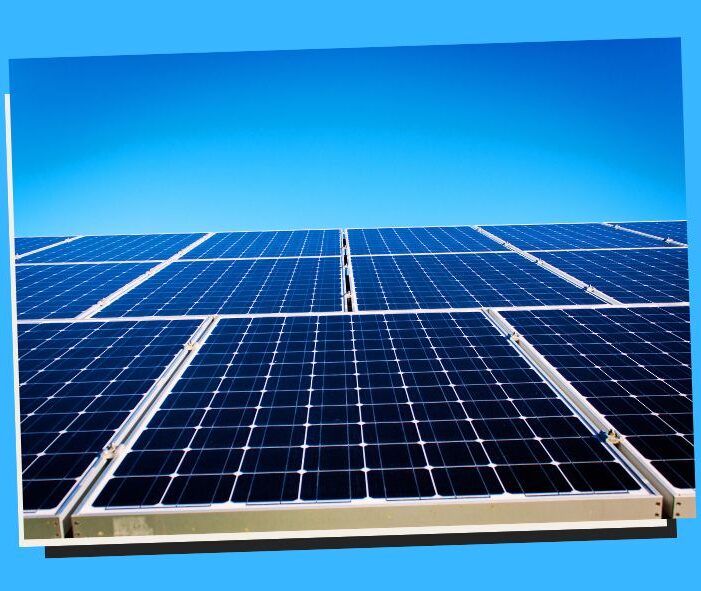
A significant milestone in this effort was highlighted on Tuesday during the commissioning of the Samal Solar Renewable Energy Project. The project, which is now fully operational, generates 41.92 megawatts (MW) of clean, renewable energy, contributing to the Luzon grid. This development not only marks a substantial step forward in the country’s transition to cleaner energy sources, but it also underscores the importance of collaboration between the public and private sectors in achieving sustainable and inclusive economic progress. 🌞🔋
The Role of Public-Private Partnerships in Renewable Energy Development
Public-private partnerships (PPP) have become increasingly essential in advancing the energy sector, particularly when it comes to renewable energy projects. In the case of the Samal Solar Renewable Energy Project, the partnership between the government and private sector stakeholders is proving to be a key enabler in driving the country’s clean energy transition. By leveraging both public policy support and private sector investments, the Philippines is making significant strides toward meeting its renewable energy targets.
Energy Assistant Secretary Mylene Capongcol highlighted that renewable energy not only provides the nation with clean power but also generates local economic benefits, including job creation and capacity building. This dual impact of promoting environmental sustainability while stimulating economic growth is a model for future energy projects across the country. The Samal Solar Project, for instance, provides energy to the Luzon grid while offering opportunities for local communities to participate in and benefit from the renewable energy sector.
Key Benefits of Public-Private Collaborations in Renewable Energy
- Increased Investment in Renewable Energy: Public-private partnerships encourage private sector investments, which are essential for financing large-scale renewable energy projects.
- Job Creation: Renewable energy projects often require a skilled workforce, leading to job creation in both the construction and operational phases.
- Technological Advancements: Private sector participation often brings in cutting-edge technologies that can enhance the efficiency and scalability of renewable energy projects.
- Economic Growth: Local economies benefit from the development of renewable energy infrastructure, with new businesses and opportunities emerging around energy generation.
- Energy Security: Increasing the share of renewable energy in the energy mix ensures a more stable and resilient energy supply for the country.
- Sustainable Development: Renewable energy projects support sustainable development goals (SDGs) by providing clean power and reducing reliance on fossil fuels.
- Capacity Building: Local communities involved in renewable energy projects gain valuable skills and expertise that they can apply to future endeavors.
- Climate Change Mitigation: Renewable energy plays a crucial role in reducing greenhouse gas emissions, contributing to the country’s climate change mitigation efforts.
- Diversification of Energy Sources: A diverse energy mix reduces dependency on one source of power, making the country’s energy infrastructure more resilient.
- Attracting International Support: Successful public-private partnerships in renewable energy attract international organizations and investors interested in supporting sustainable development initiatives.
Tips for Maximizing the Impact of Public-Private Partnerships in Renewable Energy
- Foster Open Communication: Clear communication between government agencies and private sector partners is crucial for the smooth execution of projects.
- Ensure Transparent Processes: Transparency in project bidding, financing, and implementation helps build trust and accountability.
- Involve Local Communities: Engaging local communities early in the project can help mitigate concerns and ensure long-term success.
- Invest in Education and Training: Building local capacity by offering education and training in renewable energy technologies is key to project sustainability.
- Promote Policy Support: Government policies should incentivize renewable energy development by providing tax breaks, subsidies, and other support mechanisms.
- Leverage International Partnerships: Collaborating with international renewable energy firms can bring in expertise and funding for large-scale projects.
- Adopt a Long-Term Perspective: Renewable energy projects take time to develop and see returns; it is important to adopt a long-term view for sustainability.
- Integrate Smart Grid Technologies: Upgrading the energy infrastructure to integrate smart grids can improve the efficiency and reliability of renewable energy systems.
- Monitor Environmental Impact: Ensure that renewable energy projects are environmentally sustainable by monitoring and mitigating any negative impacts on local ecosystems.
- Collaborate Across Sectors: Partnering with educational institutions, non-governmental organizations, and other sectors can provide additional resources and expertise.
Insights into the Renewable Energy Landscape in the Philippines
- Renewable Energy is a Growing Priority: The Philippines has made renewable energy a key priority, with the government aiming to increase its share in the energy mix to 35 percent by 2030.
- Private Sector Role is Vital: The private sector plays a pivotal role in accelerating renewable energy development, bringing in investment and innovation.
- Local Communities Benefit: Renewable energy projects offer more than just clean power; they also generate jobs and foster local development.
- Government Support is Crucial: Policies and incentives from the government can help make renewable energy projects more financially viable for private companies.
- Solar Energy is Leading the Way: Solar energy is one of the most promising renewable energy sources in the Philippines, with projects like Samal Solar playing a major role in the country’s energy transition.
- Energy Demand is Increasing: With the Philippines’ growing population and economy, the demand for clean and reliable energy is also increasing.
- Climate Change Awareness Drives Action: The increasing awareness of climate change impacts has spurred a strong push toward renewable energy as a cleaner alternative to fossil fuels.
- Technology Advancements Enhance Efficiency: Advances in renewable energy technologies are making it more affordable and efficient to generate and store renewable power.
- Public-Private Collaboration is Key: Effective public-private partnerships are essential for achieving the country’s renewable energy goals.
- Renewable Energy Can Drive Economic Transformation: Beyond environmental benefits, renewable energy offers the potential to transform local economies by creating new industries and job opportunities.
Frequently Asked Questions (FAQs)
- What is the goal of the Philippines’ renewable energy sector by 2030?
The goal is to increase the share of renewable energy in the country’s energy mix to 35 percent by 2030. - What is the Samal Solar Renewable Energy Project?
It is a solar energy project that generates 41.92 megawatts of clean power, contributing to the Luzon grid. - Why are public-private partnerships important in renewable energy?
These partnerships bring together the resources and expertise of both the government and private sector to accelerate the development of renewable energy projects. - How does renewable energy contribute to job creation?
Renewable energy projects create jobs in construction, operations, and maintenance, providing new opportunities for local communities. - What is the role of the DOE in renewable energy development?
The DOE facilitates the implementation of renewable energy policies, supports investment in renewable projects, and promotes public-private collaboration. - How can renewable energy help mitigate climate change?
By reducing reliance on fossil fuels and lowering greenhouse gas emissions, renewable energy contributes to climate change mitigation efforts. - What is the current state of renewable energy in the Philippines?
As of April 2025, there are 1,392 active renewable energy contracts with a total installed capacity of 7.05 gigawatts. - What types of renewable energy projects are being developed in the Philippines?
Solar, wind, hydro, and geothermal energy projects are being developed to increase the country’s renewable energy capacity. - How does the Samal Solar project support local development?
The project not only provides clean energy but also contributes to local development through job creation and capacity building. - What is the potential for renewable energy in the Philippines?
The Philippines has significant potential for renewable energy, particularly in solar and wind, thanks to its natural resources and geographic location.
Conclusion: The Future of Renewable Energy in the Philippines
The commissioning of the Samal Solar Renewable Energy Project is a significant milestone in the Philippines’ renewable energy journey. With the support of public-private partnerships, the country is making substantial progress toward its goal of increasing the share of renewable energy in the national grid. By continuing to promote collaboration, innovation, and investment, the Philippines can unlock the full potential of its renewable energy resources, ensuring a sustainable, inclusive, and economically vibrant future for all Filipinos.
Link Resources
- Department of Energy (DOE)
- Bangko Sentral ng Pilipinas (BSP)
- Samal Solar Renewable Energy Project
- Rizal Commercial Banking Corporation (RCBC)
- National Renewable Energy Board (NREB)
Key Phrases
public-private partnerships, renewable energy, solar power, energy transition, clean energy, energy security, energy infrastructure, Samal Solar Project, DOE, climate change mitigation
Best Hashtags
#RenewableEnergy #SolarPower #PublicPrivatePartnership #CleanEnergy #PhilippineEnergy #SustainableDevelopment #EnergyTransition #EnergySecurity #GreenEnergy #ClimateAction

Oliver Bugarin – A blog writer with over a decade of experience in WordPress website creation and management, and creating articles on lifestyle, travel, technology, business, finance, and wellness. He is known for producing clear, engaging articles that resonate with readers and add value to any blog or website.
Contact him for collaborations or content writing opportunities. Facebook – LinkedIn
.
Save/Share this story with QR CODE
Disclaimer
This article is for informational purposes only and does not constitute endorsement of any specific technologies or methodologies and financial advice or endorsement of any specific products or services.
Contact Lead Media News
📩 Feel free to Contact Lead Media News for suggestions, collaborations, reviews, or anything else.





