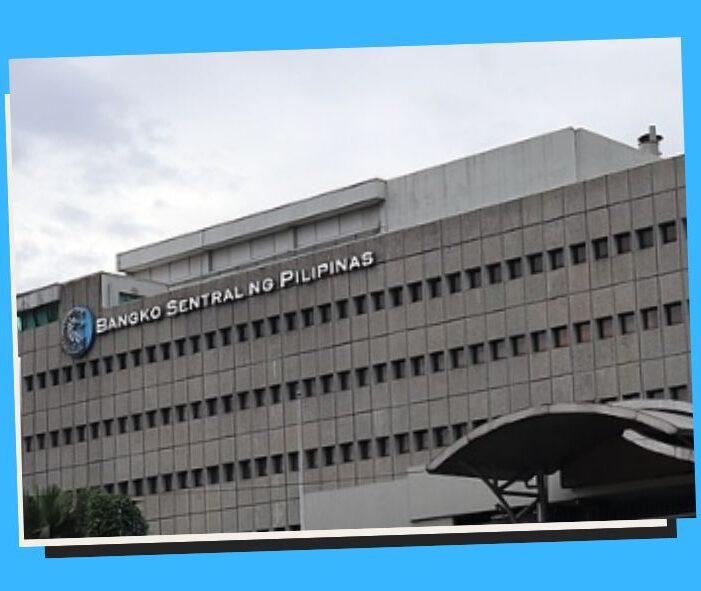
BSP’s New Projections for 2025-2026 Amid Economic Challenges and Opportunities
Stay informed about the BSP’s updated projections for the Philippine economy, including the latest on the current account deficit and services export growth.
BSP Revises BOP Projections for 2025, 2026 Amid Global Uncertainty 🌍💰
The Bangko Sentral ng Pilipinas (BSP) has revised its balance of payments (BOP) projections for the years 2025 and 2026, factoring in the ongoing global uncertainties, heightened geopolitical risks, and fluctuating investor confidence. The revised outlook comes as the Philippine economy navigates a complex global environment, and the BSP aims to provide a more accurate picture of the country’s financial standing.
The BOP is an essential measure of a nation’s economic transactions with the rest of the world over a specific period. It provides a snapshot of a country’s trade balance, investment flows, and international financial position. A surplus indicates that the country is receiving more income from abroad than it is sending out, while a deficit reflects the opposite. The BOP’s overall position can be in surplus, deficit, or balanced.
In a statement issued Monday, the BSP projected a deficit of USD6.3 billion for the year 2025, which is significantly larger than the previously anticipated USD4 billion deficit. Looking ahead to 2026, the BOP deficit is expected to decrease to USD2.8 billion. These projections reflect the ongoing challenges posed by external factors such as global trade uncertainties, geopolitical tensions, and shifts in investor confidence.
Key Factors Influencing the Balance of Payments Outlook
The BSP highlighted several factors contributing to the revised BOP outlook. Despite steady domestic economic growth, low inflation, and ongoing structural reforms, these positive factors are being offset by the negative impacts of global uncertainties. These uncertainties have led to a weaker investor sentiment, which in turn affects the financial flows into the country.
The current account, which represents the balance between the country’s savings and investment, is expected to remain in deficit. The BSP forecasts a current account shortfall of USD16.3 billion for this year, a reduction from the earlier estimate of USD19.8 billion. However, for 2025 and 2026, the BSP anticipates the shortfall to remain at around 3 percent of the country’s Gross Domestic Product (GDP).
A key driver behind the current account shortfall is the performance of the country’s goods exports. Exports are expected to decline by 1 percent this year, with a modest 2 percent growth forecast for 2026. This decline is attributed to global trade uncertainties, including challenges in the semiconductor industry, and lagging competitiveness in some key sectors. At the same time, imports are expected to grow by 1 percent in 2025 and 2 percent in 2026, largely due to stable domestic demand and ongoing infrastructure spending.
The Services Sector and Tourism: Resilience Amid Challenges
While the goods export sector faces challenges, the services trade continues to show resilience. The BSP projects services exports to grow by 6 percent this year, with a more robust 8 percent growth expected in 2026. This growth is primarily driven by outsourcing revenues, particularly in the contact center industry, which remains a key contributor to the Philippine economy. However, the sector faces some downside risks, including the potential for US job reshoring initiatives and local talent shortages.
Tourism is another bright spot in the BSP’s revised projections. With improvements in airport infrastructure and a greater availability of accommodation, tourism receipts are projected to grow by 10 percent in 2025 and 11 percent in 2026. However, this growth could be tempered by growing competition from other destinations and rising transport costs.
Remittances, Foreign Investments, and Infrastructure Development
Overseas Filipino (OF) remittances, a crucial source of income for many Filipino families, are also expected to increase. The BSP forecasts a 2.8 percent growth in remittances for 2025 and a 3 percent increase in 2026. This growth is driven by strong labor demand for Filipino workers in key sectors abroad, as well as the aging populations in host countries. However, the rise of protectionist policies in some host countries presents an emerging risk to remittance flows.
Foreign investment inflows into the Philippines are expected to remain positive but subdued, given global policy uncertainty and the ongoing economic slowdown. To mitigate these challenges, the Philippine government is pushing for accelerated infrastructure development and investment-enhancing reforms. Programs like the CREATE MORE Act and the Capital Markets Efficiency Promotion Act aim to attract long-term investments and create a more conducive environment for foreign capital inflows.
Foreign Exchange Reserves: A Cushion for Economic Stability
On a more positive note, the BSP expects the country’s gross international reserves (GIR) to reach USD104 billion in 2025 and USD105 billion in 2026. These reserves are seen as a vital cushion against external shocks, providing sufficient liquidity to protect the economy from volatility in global markets. The BSP’s strong foreign exchange reserves contribute to maintaining price and financial stability, even amidst an uncertain global landscape.
Benefits of the BSP’s Revised Projections
- Clearer Economic Outlook: The revised BOP projections provide a more accurate picture of the Philippine economy, allowing businesses and policymakers to make informed decisions.
- Investor Confidence: Although global uncertainty affects investor sentiment, the government’s reforms and infrastructure push are expected to help attract long-term investments.
- Support for OFWs: The expected growth in remittances provides continued support for families relying on remittances from abroad.
- Strengthened Services Sector: The outsourcing industry continues to be a key driver of economic growth, offering resilience in uncertain times.
- Tourism Growth: With infrastructure improvements, the tourism sector will contribute to economic recovery and growth.
- Economic Resilience: The BSP’s reserves provide a solid buffer against potential economic shocks.
- Reduced Deficit Projection: The revised BOP deficit projection for 2025 is a positive adjustment, signaling some stabilization despite global challenges.
- Enhanced Export Potential: Although goods exports face challenges, the BSP’s outlook shows opportunities for growth in services exports and tourism.
- Stable Inflation: The Philippine economy benefits from low inflation, which can help ensure purchasing power remains stable.
- Long-Term Investment Attraction: Government policies and reforms, including the CREATE MORE Act, will help create a more favorable environment for foreign investors.
Tips for Filipino Businesses and Consumers Amid BOP Challenges
- Diversify Export Markets: To mitigate the impact of global trade uncertainty, businesses should look for new markets for their goods and services.
- Invest in Services: The services sector, particularly outsourcing, remains resilient. Companies should focus on enhancing their service offerings.
- Optimize Remittance Channels: As remittance growth is forecasted, businesses catering to OFWs should improve their services and efficiency.
- Monitor Global Trends: Keep an eye on geopolitical developments and global trade policies to better prepare for potential disruptions.
- Take Advantage of Government Incentives: Businesses should explore government programs that promote investment and infrastructure development.
- Improve Competitiveness: Companies should focus on innovation and increasing their competitiveness in both domestic and international markets.
- Embrace Digital Transformation: The services sector continues to expand. Businesses should invest in digital infrastructure to stay competitive.
- Capitalize on the Tourism Boom: With tourism on the rise, businesses in the hospitality industry should enhance their offerings to attract international visitors.
- Build Financial Reserves: Like the BSP, businesses should build their financial reserves to cushion against external shocks.
- Adapt to Consumer Demand: Focus on adapting to the changing needs of consumers, particularly in response to economic shifts and global uncertainties.
Insights from BSP’s Revised BOP Projections
- Global Uncertainty Impact: Global uncertainties continue to play a significant role in shaping the BOP outlook.
- Services Trade Resilience: The services sector remains a stronghold in the Philippine economy, even amid external challenges.
- Declining Export Growth: Goods export growth is expected to remain muted due to global trade uncertainties and competitiveness issues.
- Importance of Foreign Investment: Foreign direct investment plays a crucial role in sustaining economic growth and stability.
- Protectionism Risks: The rise of protectionist policies in host countries is a growing risk to overseas Filipino remittances.
- Government’s Role: The government’s continued investment in infrastructure and policy reforms is crucial to maintaining economic stability.
- Tourism’s Recovery: Improvements in infrastructure are expected to bolster the tourism sector, contributing to economic growth.
- Rising Global Commodities: Despite the growth in imports, global commodity prices, especially for oil, are expected to decline.
- Resilient Domestic Demand: Despite external challenges, domestic demand remains stable, supporting continued economic activity.
- Ample Foreign Reserves: The BSP’s ample foreign reserves provide a strong safety net, allowing for flexibility in managing external risks.
FAQs on BSP’s Revised BOP Projections
- What is the BOP?
The BOP measures the economic transactions between a country and the rest of the world, including trade, investments, and remittances. - What is the current BOP forecast for 2025?
The BSP expects a deficit of USD6.3 billion for 2025. - How does global uncertainty affect the BOP?
Global trade uncertainty, geopolitical risks, and investor confidence are major factors impacting the BOP outlook. - What is the expected current account shortfall for 2025?
The current account shortfall is projected to be USD16.3 billion for 2025. - How will the services sector perform?
Services exports are expected to grow by 6 percent in 2025 and 8 percent in 2026. - What is the outlook for OFW remittances?
OFW remittances are expected to increase by 2.8 percent in 2025 and 3 percent in 2026. - What role do foreign reserves play in the economy?
Foreign reserves provide a buffer against economic volatility, ensuring financial stability. - How are goods exports expected to perform?
Goods exports are forecasted to decline by 1 percent in 2025 before growing by 2 percent in 2026. - What are the risks to tourism growth?
Growing competition from other destinations and rising transport costs may temper the pace of recovery. - What can businesses do to prepare for these challenges?
Businesses should diversify their markets, improve competitiveness, and leverage government incentives.
Conclusion: Navigating the Uncertainty with Strategic Adaptation
The revised BOP projections for 2025 and 2026 highlight the challenges and opportunities facing the Philippine economy in the coming years. While global uncertainties continue to pose risks, the country’s resilient services sector, robust remittance inflows, and infrastructure development efforts provide a strong foundation for future growth. By staying informed, adapting to global trends, and taking advantage of government policies and incentives, businesses and consumers alike can navigate these uncertain times with confidence. The BSP’s proactive approach ensures that the Philippines is well-positioned to weather external economic pressures while maintaining a steady course toward long-term stability and growth.
Link Resources
- Bangko Sentral ng Pilipinas
- Philippine Statistics Authority
- National Economic and Development Authority
- World Trade Organization
- Department of Finance
Key Phrases
- Balance of payments forecast
- Global economic uncertainty
- Current account deficit
- Services export growth
- Overseas Filipino remittances
- Geopolitical risks and investor sentiment
- Philippine economic outlook
- Infrastructure development in the Philippines
- BSP economic projections
- Foreign investment inflows
Best Hashtags
- #BOPProjections
- #PhilippinesEconomy
- #GlobalUncertainty
- #BSPOutlook
- #CurrentAccountDeficit
- #EconomicResilience
- #PhilippineExports
- #InvestorConfidence
- #ServicesSectorGrowth
- #OFWRemittances

Oliver Bugarin – A blog writer with over a decade of experience in WordPress website creation and management, and creating articles on lifestyle, travel, technology, business, finance, and wellness. He is known for producing clear, engaging articles that resonate with readers and add value to any blog or website.
Contact him for collaborations or content writing opportunities. Facebook – LinkedIn
.
Save/Share this story with QR CODE
Disclaimer
This article is for informational purposes only and does not constitute endorsement of any specific technologies or methodologies and financial advice or endorsement of any specific products or services.
Contact Lead Media News
📩 Feel free to Contact Lead Media News for suggestions, collaborations, reviews, or anything else.





