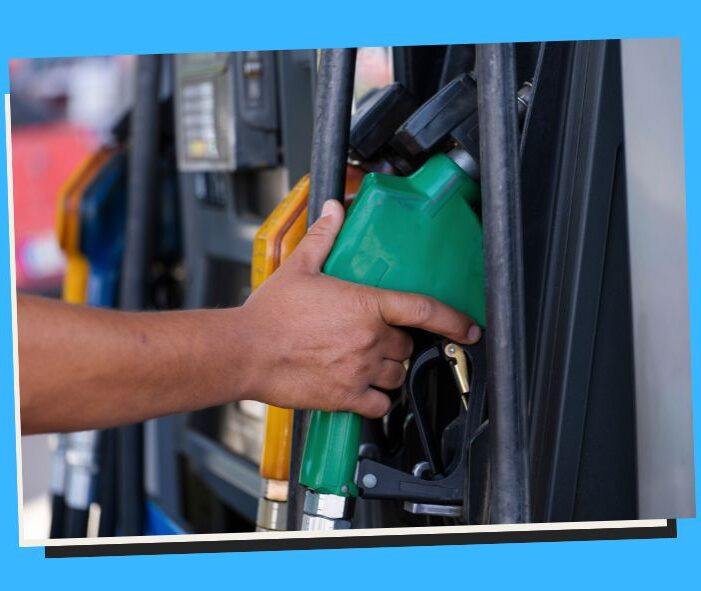
Good News for Filipino Drivers: Oil Price Rollback Starts Tuesday!
Starting Tuesday, oil prices are set to roll back, giving Filipino drivers some relief. Read more about the latest fuel price adjustments.
Oil Price Rollback Set Tuesday: A Much-Needed Relief for Filipino Consumers 🚗⛽
In a much-anticipated move that will bring some respite to Filipino drivers, oil companies have announced a rollback on fuel prices effective Tuesday. After a significant price increase just last week, the price reductions come as a welcome change to many consumers, particularly those who rely heavily on fuel for daily activities such as commuting and transportation services.
The recent price hike in oil products saw a steep increase in gasoline, diesel, and kerosene prices, with adjustments ranging from PHP3.50 to PHP5.20 per liter. However, as part of their effort to cushion the burden on consumers, several oil firms will slash prices this week by PHP1.80 per liter for diesel and PHP1.40 per liter for gasoline. In addition to these reductions, Seaoil and Shell have also announced a reduction of PHP2.20 per liter on kerosene.
While the rollback is undoubtedly good news, the government, through the Department of Energy (DOE), has also been actively engaging with oil companies to ease the financial strain on public utility vehicles (PUVs) and transportation network vehicle services (TNVS). According to a DOE social media post, major oil firms like Petron, Shell, and CleanFuel will offer fuel discounts to PUVs and TNVS starting from July 1. These discounts vary by company but can go up to PHP3 per liter for some fuels, providing much-needed support to drivers who depend on their vehicles for their livelihood.
Let’s take a closer look at what this price rollback and the associated discounts mean for consumers and drivers alike.
Benefits of the Fuel Price Rollback and Discounts
- Reduced Transportation Costs: Consumers will experience a reduction in daily commuting and transportation costs, especially with the decrease in fuel prices.
- Relief for Public Utility Drivers: With discounts offered specifically to PUV drivers, public transport fares may stabilize, benefiting commuters who rely on jeepneys, buses, and taxis.
- Lower Cost for Businesses: Businesses that rely on fuel for deliveries and operations can benefit from the price reduction, leading to savings in logistics costs.
- Economic Relief: As fuel costs often affect the prices of goods and services, a rollback can help ease inflationary pressures, benefiting the overall economy.
- Environmental Impact: Lower fuel prices might also encourage the use of public transportation and shared rides, potentially reducing traffic congestion and lowering emissions.
- Improved Disposable Income: With reduced transportation expenses, families can allocate their budgets to other essential needs, such as education, healthcare, or savings.
- Support for Drivers: With discounts provided to TNVS drivers, many who are working for ride-hailing services like Grab can see an improvement in their take-home earnings.
- Increased Market Competition: With oil companies offering competitive discounts, there may be better pricing options available at various gas stations, improving consumer choice.
- Customer Loyalty: Programs like PetroGazz’s discount system for loyalty cardholders can help foster customer loyalty while benefiting regular customers with better pricing.
- Encouraging Alternative Energy Solutions: The focus on fuel pricing might also stimulate discussions around alternative energy sources, including electric vehicles, that could further benefit consumers in the future.
Tips for Filipino Consumers to Maximize the Benefits of Fuel Price Reductions
- Plan Your Routes: Reduce unnecessary travel to make the most out of your fuel savings.
- Use Loyalty Cards: Many oil companies are offering discounts for loyalty cardholders. Don’t forget to bring them!
- Monitor Discount Programs: Keep track of discount programs from different oil companies to ensure you’re using the best deal available.
- Carpool with Others: Sharing rides can help reduce fuel costs for everyone involved.
- Switch to Energy-Efficient Driving: Adopt driving habits that conserve fuel, such as avoiding sudden acceleration and keeping your vehicle well-maintained.
- Take Advantage of Public Transport Discounts: PUV drivers and commuters should check if they qualify for specific discount programs.
- Stay Informed: Always stay updated on changes in fuel prices through the news or social media posts from oil companies.
- Optimize Your Vehicle’s Performance: Regularly service your car to ensure optimal fuel efficiency.
- Purchase Fuel in Bulk: If you’re a business owner, consider filling up multiple vehicles at once to take advantage of volume discounts.
- Be Aware of Gas Station Locations: Gas stations near your route or home may offer specific discounts. Look for these options to save more.
Insights on the Fuel Price Rollback and Its Impact
- Short-Term Relief: While the rollback is a welcome change, it’s only a temporary relief to the ongoing issue of rising oil prices.
- Government’s Role: The DOE’s coordination with oil companies demonstrates a proactive approach to managing fuel price volatility.
- Public Transport Support: The focus on offering discounts to PUVs shows the government’s awareness of the need to support the transport sector.
- Fuel Prices and Inflation: Fuel prices directly impact the cost of goods and services, meaning that changes in oil prices can have a broader effect on inflation.
- Oil Price Volatility: The unpredictable nature of global oil prices makes it difficult for the government and oil firms to maintain price stability for long periods.
- Price Protection Mechanisms: With the rollback and discounts in place, the government is setting a precedent for how to cushion the blow of fluctuating prices.
- Consumer Behavior Change: As fuel prices fluctuate, consumers are likely to adjust their driving habits, such as reducing trips or shifting to more fuel-efficient vehicles.
- Impact on Oil Firms’ Margins: Oil companies may face slimmer profit margins as they provide discounts, yet the competition may push them to offer even better deals.
- Push for Alternative Energy: The government may continue to explore policies that encourage alternative energy sources to reduce the dependency on fossil fuels.
- Future of Price Hikes: While this rollback is a positive move, future price hikes are likely given global oil trends, highlighting the need for long-term solutions.
Frequently Asked Questions (FAQs)
- How long will the fuel price rollback last?
The rollback will be implemented starting Tuesday and is subject to change depending on global oil market trends. - Which oil companies are offering the fuel discounts?
PetroGazz, Shell, CleanFuel, Seaoil, Petron, and Caltex are among the companies providing discounts. - How do I avail of the fuel discounts?
You need to present a loyalty card or the appropriate program sticker to avail of the discount at participating gas stations. - Are these discounts available nationwide?
The discounts vary depending on location, so it’s important to check with your nearest gas station. - Can PUV drivers access discounts for all types of fuel?
Yes, discounts are available for both diesel and gasoline, depending on the oil company. - Is there a minimum purchase requirement for discounts?
Some oil companies, like PetroGazz, require a minimum purchase to qualify for discounts. - What is the discount range for Shell’s Public Transport Discount Program?
Discounts range from PHP1 to PHP5 per liter for PUVs. - Can I use the discount program for TNVS vehicles?
Yes, TNVS drivers are eligible for discounts under programs from Shell, Seaoil, and other participating oil firms. - How will the rollback affect the price of goods?
Lower fuel prices may help reduce transportation costs, which could lead to lower prices for goods and services. - What is the Department of Energy’s role in these price changes?
The DOE has been facilitating coordination with oil companies to ensure that discounts are provided to ease the burden on consumers.
Conclusion: A Step Towards Economic Resilience
The recent fuel price rollback and the introduction of transportation discounts offer much-needed relief to Filipino consumers, especially those in the transportation sector. While this rollback does not fully shield consumers from the unpredictable nature of global oil prices, it is a significant step towards ensuring economic resilience for the average Filipino. By continuously engaging with oil firms and exploring new policies, the Department of Energy is working towards mitigating the impact of oil price fluctuations on local communities.
Filipino consumers must take advantage of these temporary reductions while continuing to push for long-term solutions, including alternative energy options and more sustainable fuel consumption practices. As we face the challenges posed by volatile fuel prices, staying informed, being strategic with our fuel usage, and supporting programs that promote energy efficiency can help us navigate these turbulent times.
Link Resources
Key Phrases
fuel price rollback, Filipino consumers, oil price cuts, fuel discounts, Department of Energy, public utility vehicles, transportation network services, PUV discounts, gas price reduction, sustainable energy.
Best Hashtags
#FuelPriceRollback, #DiscountedFuel, #PublicTransportDiscount, #SaveOnFuel, #FuelSavingsPH, #OilPriceCuts, #EnergyEfficiency, #AffordableFuel, #DOEUpdates, #PHFuelNews

Oliver Bugarin – A blog writer with over a decade of experience in WordPress website creation and management, and creating articles on lifestyle, travel, technology, business, finance, and wellness. He is known for producing clear, engaging articles that resonate with readers and add value to any blog or website.
Contact him for collaborations or content writing opportunities. Facebook – LinkedIn
.
Save/Share this story with QR CODE
Disclaimer
This article is for informational purposes only and does not constitute endorsement of any specific technologies or methodologies and financial advice or endorsement of any specific products or services.
Contact Lead Media News
📩 Feel free to Contact Lead Media News for suggestions, collaborations, reviews, or anything else.





