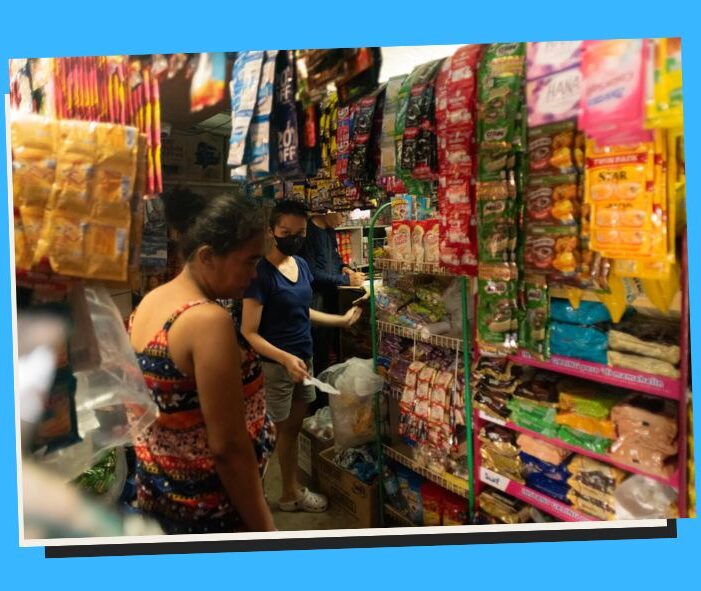
Sari-Sari Stores Face Price Hikes, Even as Inflation Drops, According to Packworks Analysis
Discover how rising prices continue to impact sari-sari stores across the Philippines, despite the nation’s declining inflation, according to a new study by Packworks.
PRESS RELEASE
Sari-sari stores grapple with rising prices despite declining inflation – Packworks study
Manila, Philippines — Despite the nationwide decline in inflation, prices of various goods continue to rise in sari-sari stores across the Philippines.
New data from Filipino tech startup Packworks, which analyzed more than one million monthly sales transactions from its network of over 300,000 sari-sari stores nationwide through its mobile app and business intelligence tool, Sari IQ, tracked price movements across multiple product categories from 2023 to 2025. The analysis revealed that costs continue to climb despite a general decline in inflation, with some categories experiencing average price increases of at least 11% across various regions nationwide.
Key findings include significant retail price increases across the board for items like baby oil and baby powder. Notably, a 50-milliliter (ml) bottle of Johnson’s regular baby oil increased by 17%, from PHP 42.00 in 2023 to PHP 49.00 in 2025. Meanwhile, a 100-gram pack of Tender Care baby powder rose by 25%, from PHP 40.00 to PHP 50.00. These price hikes were observed in at least five regions: Ilocos Region (Region I), Cagayan Valley (Region II), Central Luzon (Region III), MIMAROPA (Region IV-B), and Bicol Region (Region V).
The study also found that 11 different SKUs within the confectionery and snacks category experienced at least a 13% increase in retail price. For example, the 50-gram pack of Lala Fish Crackers Classic, a popular and usually affordable sari-sari store snack, saw its price surge by 27%, rising from PHP 18.00 in 2023 to PHP 23.00 today. These spikes were recorded in stores based in Regions II and IV-B. Another popular item, the 150-gram pack of Fres candy, recorded a 16% price increase across all its variants, now at PHP 42.00, up from PHP 36.00 two years ago. The candy brand is now more expensive in at least nine regions, including Regions I, II, III, IV-B, V, VI (Western Visayas), VII (Central Visayas), and VIII (Eastern Visayas).
Packworks Chief Data Officer Andoy Montiel highlights the vulnerability of sari-sari stores, saying even a slight increase in their wholesale purchase price can directly affect end consumer pricing.
“Sari-sari stores are known for their thin profit margins. While they operate as viable businesses, they also serve as extended pantries and community hubs for their neighbors. Even a slight increase in wholesale prices reveals how vulnerable micro-retailers are to cost shifts upstream. This creates a ripple effect, especially in low-income communities where these stores are the primary source of daily essentials,” Montiel said.
The upward price trend stands in contrast to the declining national inflation rate. In 2023, the country’s Year-on-Year (YoY) inflation rate was 6.0%, then significantly dropped to 3.2% the following year. It decreased further to 1.9% from January to May 2025, hitting a low of 1.3%, the lowest since November 2019.
Packworks’ data also looked at the pricing trends with the country’s main staple commodity, rice. A five-kilogram pack of premium rice rose from PHP 235.00 (PHP 47.00/kg) in 2023 to PHP 295.00 (PHP 59.00/kg) in 2024, reflecting a PHP 60 increase. This aligned with the Philippine Statistics Authority (PSA) and Department of Agriculture (DA) reports, which cited rice inflation and retail prices ranging from PHP 50 to PHP 58 per kilo during the period.
From January to May 2025, the price slightly dropped by 3.39% to PHP 285.00 (PHP 58.00/kg), following the DA’s imposition of a maximum suggested retail price (MSRP) on imported rice. However, it remains higher than the national average of PHP 50.54 per kilo for well-milled rice. The data also noted similar price variations in the repacked rice or tingi-tingi bigas bundles that are usually informal SKUs but are frequently sold in sari-sari stores at smaller increments to make purchases more affordable or abot-kaya for its neighborhood customers.
Packworks Chief Executive Officer Bing Tan emphasizes the importance of helping sari-sari stores thrive amidst economic shifts.
“Sari-sari stores are more than just retail outlets, but a lifeline for millions of Filipinos. Our latest analysis reveals gaps between national macroeconomic reports and the grassroots micro-retail reality. These insights can act as early indicators to inform distribution chains and policymakers of where support and aid are most needed. It is our hope that by sharing this timely data, we will be able to shed a brighter light on the challenges in practical pricing our store owners face in serving their communities.”
Sari-sari stores serve as the primary source of daily essentials for around 94% of Filipinos.
For more info about Sari IQ and to uncover more in-depth data trends in sari-sari stores, you may visit http://packworks.io/ or Packworks’ Facebook page to learn more.
###
OTHER KEY INFO
- Packworks was born in 2018 out of a passion project by founders Bing Tan, Ibba Bernardo, and Hubert Yap, who started as motorbike buddies delivering solar panels to provinces and far-flung places across the country. During their excursions, they saw firsthand the challenges brought by limited access for sari-sari store owners and embarked on developing an application for small store businesses to have a one-app stop for all their needs.
- Launched as a solution for multinational companies with only a handful of sari-sari store partners, Packworks has rapidly expanded as a B2B platform that enables growth and success throughout all stakeholders in the supply chain ecosystem, from small sari-sari store owners to wholesalers, distributors, and renowned FMCG companies and brands. With about 75% of sari-sari stores owned by women, Packworks also works to empower female entrepreneurs.
ABOUT PACKWORKS
Packworks is a startup company that provides a business-to-business (B2B) platform that is easy to use, has low bandwidth, and has a light footprint that will allow sari-sari store owners to become more efficient in managing their business. Founded in 2018 and started as a solution for multinational companies in the Philippines to connect with neighborhood stores, the platform has now transformed into a way out of poverty for the millions of sari-sari store owners across the Philippines. Packworks empowers the sari-sari stores through scalable and accessible technology, with its team composed of dedicated developers, programmers, and technicians that work to put the power back into the hands of the people at the heart of Filipino communities by providing them with digital opportunities previously only available to big companies. By bringing technology-based solutions to one million Filipino sari-sari stores, Packworks is driving toward a more progressive, connected, and inclusive Philippines.
Benefits
- Convenience for Communities – Sari-sari stores offer quick access to daily essentials, making them indispensable in Filipino neighborhoods.
- Affordable Purchases – They provide the option for bulk buying, giving customers more affordable prices.
- Support for Local Economies – Sari-sari stores contribute to local economic activity by generating employment and driving retail sales.
- Micro-retailers’ Flexibility – Sari-sari stores offer flexibility in their pricing, catering to a variety of consumers, including low-income families.
- Easy Access to Credit – Many sari-sari stores offer credit options for loyal customers who may not have immediate funds.
- Community-Centric Businesses – These stores often build strong relationships with local residents, becoming community hubs.
- Gender Empowerment – With 75% of sari-sari store owners being women, they play an important role in empowering female entrepreneurs.
- Low Start-up Costs – Sari-sari stores typically require low initial investments, making them accessible for aspiring entrepreneurs.
- Cash Flow Management – The steady demand for daily essentials allows sari-sari store owners to manage regular cash flow.
- Technology Integration – Through platforms like Sari IQ, sari-sari stores gain access to business intelligence tools to enhance efficiency and competitiveness.
Insights
- Price Increases Continue – Despite inflation dropping, prices in essential goods like baby products and rice are still rising, creating a strain on sari-sari stores.
- Vulnerability of Micro-Retailers – Sari-sari stores operate with thin profit margins, making them highly sensitive to price changes from wholesalers.
- Regional Variations in Prices – Price hikes are not uniform, with certain regions experiencing significantly higher costs than others.
- Inflation Does Not Reflect Store Prices – The discrepancy between the national inflation rate and prices in sari-sari stores signals a need for closer attention to local micro-retail realities.
- Essential Goods Hit Hardest – Baby products, snacks, and rice have seen some of the highest price increases in sari-sari stores.
- Digital Tools Offer Solutions – Platforms like Sari IQ offer essential business intelligence, helping sari-sari stores manage their pricing strategies more effectively.
- Wholesale Price Influence – Even small increases in wholesale prices can result in significant retail price hikes for sari-sari store owners.
- Empowerment of Female Entrepreneurs – With a large proportion of sari-sari stores owned by women, digital platforms can help empower these entrepreneurs.
- Data-Driven Insights Are Crucial – By providing access to data, Packworks helps sari-sari store owners make informed decisions in an increasingly volatile market.
- Sari-Sari Stores as Lifelines – Beyond being retail outlets, sari-sari stores act as essential community services, providing support and resources to local families.
Conclusion
Sari-sari stores in the Philippines are facing a unique set of challenges. Despite the national inflation rate declining, the price of essential goods continues to rise, putting pressure on these micro-retailers. These small businesses, which play an important role in Filipino communities, are highly vulnerable to price fluctuations, which can directly affect consumers, especially in low-income neighborhoods. With many sari-sari stores being owned by women, the sector also has the potential for significant social impact.
Platforms like Packworks, with its business intelligence tool Sari IQ, can empower sari-sari store owners to navigate these challenges more effectively. By providing real-time data, helping manage inventory, and optimizing pricing strategies, digital solutions can reduce the impact of rising costs on these community-centric businesses. To ensure the long-term sustainability of sari-sari stores and the communities they serve, greater attention, support, and solutions are needed.
Link Resources
- Packworks
- Packworks Facebook Page
- Philippine Statistics Authority (PSA) – Inflation Data
- Department of Agriculture (DA) – Rice Price Reports
- Sari IQ Mobile App Overview
Key Phrases
Sari-sari stores, price hikes, Packworks, inflation trends, Filipino micro-retailers, business intelligence, wholesale prices, sari-sari store challenges, rice price increases, female entrepreneurs
Best Hashtags
#SariSariStore #PhilippineEconomy #InflationImpact #MicroRetail #Packworks #RetailBusiness #BusinessIntelligence #Empowerment #FemaleEntrepreneurs #FilipinoBusiness

Oliver Bugarin – A blog writer with over a decade of experience in WordPress website creation and management, and creating articles on lifestyle, travel, technology, business, finance, and wellness. He is known for producing clear, engaging articles that resonate with readers and add value to any blog or website.
Contact him for collaborations or content writing opportunities. Facebook – LinkedIn
.
Save/Share this story with QR CODE
Disclaimer
This article is for informational purposes only and does not constitute endorsement of any specific technologies or methodologies and financial advice or endorsement of any specific products or services.
Contact Lead Media News
📩 Feel free to Contact Lead Media News for suggestions, collaborations, reviews, or anything else.





