How the Philippines Is Using Debt to Build a Sustainable Future
From tax reform to infrastructure investments, the Philippine government is on track for a brighter economic future. Learn more about their approach.
The Philippine Government’s Strategic Management of Borrowings: A Path Towards Economic Growth and Debt Sustainability
The Philippines has faced a challenging fiscal landscape, especially after inheriting a significant debt burden from the previous administration. However, the Marcos Jr. government is strategically managing this debt through faster economic growth and effective financial policies. By reducing borrowings to sustainable levels, the government aims to stay below the internationally recognized threshold of a 70% debt-to-GDP ratio, ensuring fiscal stability while fostering long-term growth. This approach promises not only to stabilize the country’s finances but also to promote sustainable development for the Filipino people.
Inheriting a Massive Debt Burden
When President Ferdinand Marcos Jr. assumed office in 2022, the Philippines was grappling with a debt of PHP 12.79 trillion, an inherited burden primarily due to the economic fallout from the COVID-19 pandemic. By the end of April 2025, the national debt stood at PHP 16.75 trillion. Although this figure is daunting, it is still relatively lower than the national debts of other major economies in Asia. For example, Japan’s debt is PHP 485.94 trillion, while that of South Korea and Singapore stands at PHP 46.89 trillion and PHP 53.68 trillion, respectively.
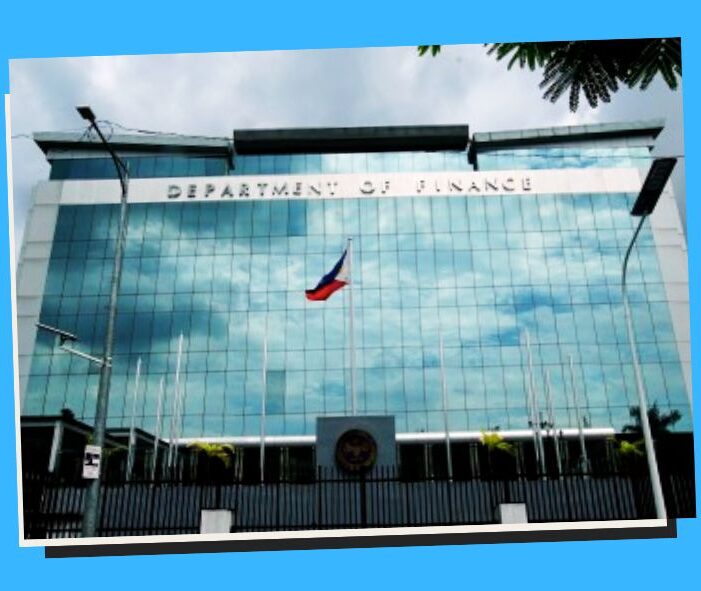
The previous administration of President Rodrigo Duterte added PHP 6.84 trillion in debt to finance pandemic response efforts, surpassing the cumulative borrowings of all prior administrations. Despite this substantial increase, the Department of Finance (DOF) has shown remarkable progress in managing the national debt, bringing the debt-to-GDP ratio to a more manageable 60.7% in 2024.
Efficient Debt Management Strategy
One of the key factors in the government’s ability to keep debt under control is its commitment to a prudent debt management strategy. By focusing on growing the economy at a faster rate, the country is able to keep its debt ratio in check while fulfilling its financial obligations. The goal is to bring down the debt-to-GDP ratio to below 60% by the end of President Marcos Jr.’s term in 2028.
As of April 2025, approximately 69.2% of the total debt was domestic, with only 30.8% representing foreign borrowings. This domestic borrowing strategy has two significant advantages: it minimizes foreign exchange risks and ensures that interest payments are circulated back into the local economy. The Bureau of the Treasury (BTr), under the leadership of Secretary Ralph G. Recto, has adopted a smart 80:20 borrowing mix strategy, favoring domestic sources to develop the country’s capital markets.
Additionally, about 91.5% of the government’s borrowings are at fixed interest rates, which protects the country from sudden fluctuations in interest and exchange rates. Furthermore, 81.3% of the borrowings are for long-term repayment periods, creating fiscal space for future growth initiatives.
Revenue Generation: A Steady and Sustainable Approach
In parallel with managing debt, the government has made substantial progress in improving revenue collection. The DOF’s efforts to enhance tax administration have resulted in double-digit growth in tax collections, which reached PHP 1.43 trillion during the first four months of 2025, a growth rate of 11.49%. This increase is particularly significant, as it outpaced the nominal growth of the country’s GDP in the same period, which was 7.6%.
The Bureau of Internal Revenue (BIR) was particularly successful, collecting PHP 1.11 trillion, a 14.5% increase compared to the same period the previous year. The Bureau of Customs (BOC) also contributed by collecting PHP 306.1 billion, exceeding last year’s performance by 2.16%. These impressive figures demonstrate the government’s ability to raise funds effectively without imposing new taxes on the public, thereby keeping debt growth within manageable levels.
Fiscal Deficit Reduction and Improved Credit Rating
The country’s fiscal deficit has been steadily shrinking, dropping to 5.7% of GDP in 2024. This is a significant improvement compared to the pandemic peak of 8.6% in 2021 and represents an ongoing trend toward fiscal discipline. The government is on track to further reduce this deficit to around 3.8% by 2028, signaling the country’s growing fiscal health.
A key indicator of fiscal stability is the recent upgrade of the Philippines’ credit rating. Japan’s Rating and Investment Information Inc. (R&I) raised the country’s rating to A-, and S&P Global upgraded its outlook to positive. These upgrades reflect increased investor confidence in the country’s economic performance, which, in turn, leads to lower borrowing costs for the government. This is a win-win scenario, as it enables the government to reinvest these savings into essential sectors such as infrastructure, healthcare, and education.
Investing in Economic Growth
The government’s borrowing strategy is not merely about managing debt; it is about using the funds to reinvest in the economy. These funds are channeled into high-impact sectors such as infrastructure, education, agriculture, healthcare, and social services. These investments create jobs, foster economic development, and ultimately improve the quality of life for millions of Filipinos.
By prioritizing investments in human capital and infrastructure, the government is laying the groundwork for sustainable growth. The economy is projected to reach PHP 36.8 trillion by 2028, continuing the upward trajectory that started under the Marcos Jr. administration.
Benefits of the Government’s Debt Management Strategy
- Debt Sustainability: By keeping the debt-to-GDP ratio under 70%, the government ensures fiscal stability.
- Economic Growth: The country’s faster-growing economy helps reduce the relative burden of debt.
- Local Investment: Prioritizing domestic borrowing strengthens the local capital markets.
- Risk Mitigation: Fixed interest rates shield the country from exchange rate fluctuations.
- Long-Term Repayment: Long-term borrowing provides ample time for repayment, easing short-term fiscal pressures.
- Public Services: Reinvesting borrowings in infrastructure and services improves public welfare.
- Increased Tax Revenues: Effective tax collection boosts government funds without burdening citizens.
- Job Creation: Investments in key sectors create employment opportunities.
- International Confidence: Upgraded credit ratings attract more foreign investors.
- Fiscal Discipline: The government’s commitment to fiscal discipline reduces future economic risks.
Tips for Sustaining Economic Growth
- Focus on Domestic Borrowing: Prioritize local sources to reduce foreign exchange risks.
- Invest in Infrastructure: Continued investment in infrastructure will support long-term growth.
- Strengthen Tax Administration: Efficient tax collection systems will further boost government revenue.
- Encourage Foreign Investment: Offering incentives for foreign investors will diversify sources of capital.
- Develop Human Capital: Investing in education and healthcare is key to sustaining growth.
- Diversify the Economy: Expand into sectors such as technology and renewable energy.
- Leverage Technology: Use digital tools to improve government efficiency and transparency.
- Maintain Fiscal Discipline: Avoid excessive borrowing and ensure a balanced budget.
- Support Local Businesses: Implement policies that encourage entrepreneurship and local enterprise growth.
- Foster Public-Private Partnerships: Collaborating with the private sector can accelerate infrastructure development.
Insights on Debt Management and Economic Growth
- Strategic Debt Mix: A balanced approach to domestic and foreign borrowing reduces risks.
- Tax Efficiency: Effective tax collection systems are crucial for sustainable growth.
- Public Investment: Borrowed funds must be reinvested in sectors that generate long-term economic benefits.
- Foreign Confidence: Credit rating upgrades reflect investor confidence and reduce borrowing costs.
- Infrastructure as a Growth Catalyst: Strategic investments in infrastructure are essential for national growth.
- Risk-Free Borrowing: Fixed-rate debt protects against market volatility.
- Local Borrowing Advantage: Domestic borrowing allows interest payments to circulate back into the local economy.
- Government Spending Priorities: Investments in education, health, and infrastructure foster inclusive growth.
- Fiscal Deficit Management: The steady decline of the fiscal deficit is a positive indicator of fiscal health.
- Economic Resilience: A growing economy makes the country more resilient to global economic shocks.
Frequently Asked Questions (FAQ)
- What is the current national debt of the Philippines?
As of April 2025, the national debt is PHP 16.75 trillion. - How does the government plan to reduce the debt-to-GDP ratio?
Through faster economic growth and effective debt management strategies. - What percentage of the debt is domestic?
69.2% of the debt is domestic, while 30.8% is external. - What sectors is the government investing in?
Infrastructure, education, health, and agriculture are the key sectors. - How has tax collection improved?
Tax collections grew by 11.49% to PHP 1.43 trillion in the first four months of 2025. - What is the government’s borrowing mix strategy?
The government follows an 80:20 mix, prioritizing domestic borrowing to reduce foreign exchange risks. - How has the fiscal deficit changed?
The fiscal deficit has decreased from 8.6% of GDP in 2021 to 5.7% in 2024. - What impact does the debt-to-GDP ratio have on the economy?
A lower debt-to-GDP ratio indicates better fiscal health and sustainability. - Why is the government focusing on long-term borrowings?
Long-term borrowings provide fiscal space and allow for greater flexibility in budget planning. - What has been the impact of credit rating upgrades?
The upgrades have lowered borrowing costs and increased investor confidence.
Conclusion
The Philippine government’s strategic management of its inherited debt has been a game-changer. By growing the economy faster than the debt, adhering to strict fiscal discipline, and investing in high-impact sectors, the country is poised for a bright and sustainable future. With a steady trajectory toward reducing the debt-to-GDP ratio and a commitment to transparent governance, the Philippines is well on its way to achieving long-term economic growth.
Link Resources
- Bureau of the Treasury
- Department of Finance
- S&P Global
- Bureau of Internal Revenue
- Philippine Statistics Authority
Key Phrases
Philippine debt management, economic growth, debt-to-GDP ratio, fiscal deficit, tax administration, infrastructure investment, credit rating upgrades, public investment, fiscal discipline, economic sustainability
Best Hashtags
#PhilippineEconomy #DebtManagement #EconomicGrowth #SustainableDevelopment #FiscalDiscipline #TaxReform #PublicInvestment #InfrastructureDevelopment #FiscalHealth #InvestInThePhilippines

Oliver Bugarin – A blog writer with over a decade of experience in WordPress website creation and management, and creating articles on lifestyle, travel, technology, business, finance, and wellness. He is known for producing clear, engaging articles that resonate with readers and add value to any blog or website.
Contact him for collaborations or content writing opportunities. Facebook – LinkedIn
.
Save/Share this story with QR CODE
Disclaimer
This article is for informational purposes only and does not constitute endorsement of any specific technologies or methodologies and financial advice or endorsement of any specific products or services.
Contact Lead Media News
📩 Feel free to Contact Lead Media News for suggestions, collaborations, reviews, or anything else.





