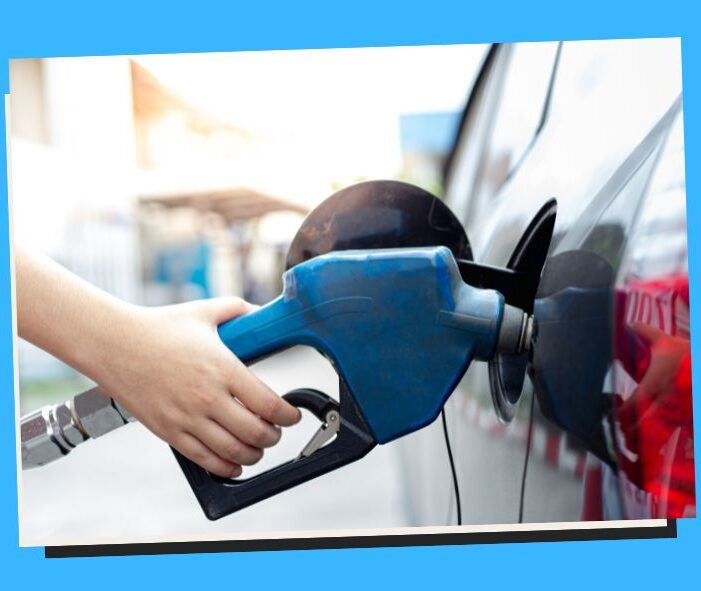
Big Fuel Price Hike Set for May 20: What Every Filipino Needs to Know
Gasoline, diesel, and kerosene prices are going up. Learn innovative ways to save and navigate the hike with ease.
Big-Time Oil Price Hike Set for May 20: What Filipinos Need to Know 🚗⛽️
MANILA – Starting May 20, 2025, major oil companies in the Philippines will significantly increase fuel prices, impacting the cost of gasoline, diesel, and kerosene nationwide. This adjustment comes after a brief period of price rollbacks that provided some relief to consumers in the past two weeks.
In official advisories, industry leaders Caltex, Cleanfuel, Jetti, Petro Gazz, Seaoil, and Shell announced a fuel price increase of PHP 1.20 per liter for gasoline and PHP 1.70 per liter for diesel. In addition, Caltex, Seaoil, and Shell will raise kerosene prices by PHP 1.20 per liter. Other oil companies are expected to follow this trend in the coming days.
According to the Department of Energy (DOE), this adjustment reflects market realities. Year-to-date data shows gasoline prices have experienced a net increase of PHP 3.10 per liter, diesel prices have risen by PHP 3.00 per liter, and kerosene prices have decreased by PHP 2.00 per liter overall.
As of Monday, Metro Manila’s gasoline prices range between PHP 43 to PHP 72.36 per liter, diesel costs from PHP 43 to PHP 72.39 per liter, and kerosene prices vary from PHP 66.50 to PHP 81.74 per liter. This price adjustment will affect daily commuters, public transportation, businesses relying on fuel, and ultimately consumers due to ripple effects on transportation and goods prices.
Understanding the Impact: Why Are Oil Prices Rising Again?
The recent rollback of prices was a reprieve amid fluctuating global oil markets. Several factors contribute to this current increase:
- Global Oil Supply and Demand: The global crude oil market remains volatile, influenced by geopolitical tensions, production quotas, and economic recovery post-pandemic.
- Currency Fluctuations: The Philippine peso’s strength against the US dollar affects the import costs of petroleum products.
- Logistical and Operational Costs: Transportation, refining, and distribution expenses also impact final retail prices.
- Government Taxes and Policies: Excise taxes and environmental levies contribute to the overall pricing framework.
Benefits of Being Informed About Fuel Price Changes
- Budget Planning: Allows households and businesses to anticipate increased transportation and utility costs.
- Travel Optimization: Encourages consumers to plan trips wisely or seek carpooling options.
- Energy Conservation: Promotes conscious fuel use and energy-saving practices.
- Investment Decisions: Helps transport operators and logistics businesses adjust pricing or operations proactively.
- Government Awareness: Enables better public dialogue and advocacy regarding energy policies.
- Environmental Impact: Motivates the use of alternative energy sources or eco-friendly transport modes.
- Market Readiness: Prepares fuel-dependent industries to mitigate risks linked to cost surges.
- Consumer Protection: Helps consumers recognize fair pricing versus profiteering.
- Technological Adoption: Spurs interest in fuel-efficient or electric vehicles.
- Economic Forecasting: Assists analysts and policymakers in anticipating inflationary pressures.
Practical Tips to Manage Fuel Price Increases
- Use Public Transport: Reduce reliance on private vehicles whenever possible.
- Carpool: Share rides with colleagues, neighbors, or friends.
- Maintain Vehicles: Keep your vehicle well-tuned for optimal fuel efficiency.
- Drive Smart: Avoid aggressive acceleration and excessive idling.
- Plan Routes: Choose the shortest and least congested routes.
- Use Fuel Apps: Track fuel prices and locate the cheapest gas stations.
- Consider Alternative Transport: Use bicycles or electric scooters for short distances.
- Conserve Energy at Home: Reduce electricity bills to offset fuel cost hikes indirectly.
- Stock Essentials: Plan grocery trips to reduce frequent outings.
- Advocate for Renewable Energy: Support government initiatives for sustainable energy.
Key Insights About the Oil Price Situation in the Philippines
- Price Volatility is Normal: Oil prices are subject to global fluctuations, which affect local markets.
- Price Rollbacks Offer Temporary Relief: The recent rollback was a short-term adjustment, not a lasting decrease.
- Fuel Prices Affect Inflation: Increases raise transportation costs, influencing prices of goods and services.
- Government Policy Plays a Role: Taxes and subsidies directly impact fuel affordability.
- Alternative Energy is Growing: The country is slowly shifting toward renewables, but fuel remains dominant.
- Urban Areas Feel the Impact More: Metro Manila consumers face a wider price range due to higher demand.
- Diesel is Critical for Public Transport: Jeepneys and buses rely heavily on diesel, affecting commuting costs.
- Kerosene is Still Used Widely: Especially in rural areas, kerosene is essential for lighting and cooking.
- Global Factors Dominate Local Prices: International oil market conditions often override domestic controls.
- Consumers Can Mitigate Effects: Smart choices can reduce fuel consumption and costs.
Frequently Asked Questions (FAQs)
1. Why is the fuel price increasing despite recent rollbacks?
Price rollbacks were temporary; global market factors have pushed prices up again.
2. How will this price hike affect daily commuters?
Commuters may see higher fares as public transport operators adjust to increased fuel costs.
3. Can the government intervene to lower prices?
The government can regulate taxes and subsidies, but global market dynamics limit control.
4. Will all oil companies raise prices equally?
Most major companies announced increases; smaller firms tend to follow suit.
5. How often do oil prices change in the Philippines?
Prices adjust almost weekly, reflecting changes in global oil prices and currency rates.
6. Is there a way to get cheaper fuel?
Using fuel price comparison apps and visiting stations with promotions can help.
7. Are electric vehicles a viable option now?
EVs are becoming more accessible, but still require infrastructure and investment.
8. How can businesses cope with rising fuel costs?
By improving logistics efficiency, revising pricing, and adopting energy-saving tech.
9. Will this fuel price increase cause inflation?
Yes, it can contribute to overall inflation through increased transport and goods costs.
10. Where can I find updated fuel prices?
The Department of Energy and official oil company websites provide current pricing.
Conclusion
The scheduled fuel price hike on May 20 is a significant development for every Filipino who relies on gasoline, diesel, or kerosene daily. While price increases can be challenging, being informed and adopting smart consumption habits can help ease the impact. Embracing energy conservation, supporting alternative transportation, and staying updated on market trends empower consumers and businesses alike to navigate these changes with resilience and foresight. Together, these efforts contribute to a more sustainable and economically stable future for the Philippines.
Link Resources
- Department of Energy – Philippines
- Petroleum Industry Updates – Philippine News Agency
- Caltex Philippines
- Shell Philippines
- PriceLOCQ – Fuel Tipid App!
Key Phrases
- Oil price hike Philippines
- Fuel price increase May 2025
- Gasoline price rise
- Diesel price adjustment
- Kerosene cost Philippines
- Fuel inflation impact
- Public transport fares Philippines
- Energy conservation tips
- Philippine Department of Energy fuel prices
- Alternative transportation options
Best Hashtags
#FuelPriceHike
#OilPriceIncrease
#SaveFuelPH
#EnergyConservation
#DriveSmart
#PublicTransportPH
#SustainableTravel
#FuelCosts
#PhilippinesNews
#DOEUpdates

Oliver Bugarin – A blog writer with over a decade of experience in WordPress website creation and management, and creating articles on lifestyle, travel, technology, business, finance, and wellness. He is known for producing clear, engaging articles that resonate with readers and add value to any blog or website.
Contact him for collaborations or content writing opportunities. Facebook – LinkedIn
.
Save/Share this story with QR CODE
Disclaimer
This article is for informational purposes only and does not constitute endorsement of any specific technologies or methodologies and financial advice or endorsement of any specific products or services.
Contact Lead Media News
📩 Feel free to Contact Lead Media News for suggestions, collaborations, reviews, or anything else.





