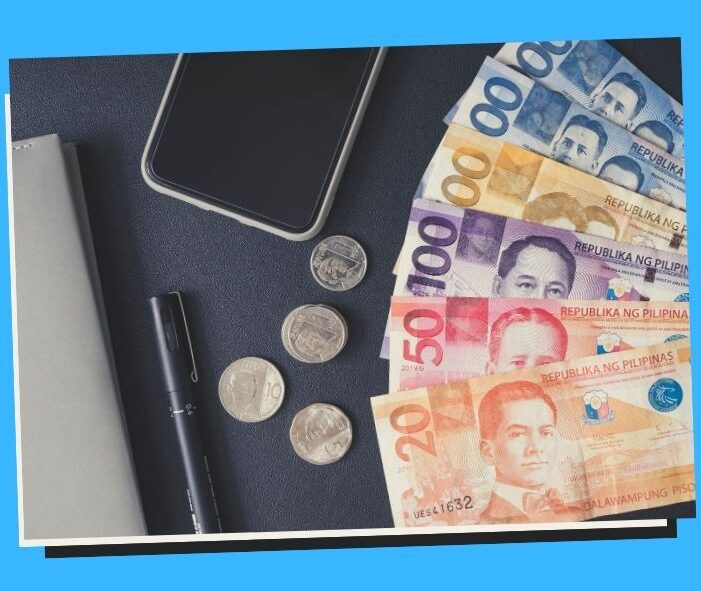
How to Build an Emergency Fund That Lasts in the Philippines
Learn how to build your emergency fund and secure your future. This essential guide helps Filipinos understand how much to save for life’s unexpected turns.
How Much Emergency Fund Do You Need in the Philippines?
In today’s fast-paced world, financial stability is more important than ever, especially in the Philippines, where unexpected events such as medical emergencies, natural disasters, and job losses can happen anytime. An emergency fund is one of the most crucial elements of financial security. But how much do you need? Let’s dive into the concept of emergency funds, how to calculate them, and why it’s essential to have one tailored to your situation.
What is an Emergency Fund?
An emergency fund is a separate savings account that is used exclusively for unexpected expenses. These expenses can include medical bills, car repairs, natural disasters, or sudden job loss. The purpose of having an emergency fund is to give you a financial cushion when life throws unexpected challenges your way, without having to rely on credit cards or loans.
Having an emergency fund gives you peace of mind and ensures you can handle tough times with greater ease. It’s a financial safety net that everyone, regardless of income level, should prioritize building.
How Much Emergency Fund Do You Need?
The amount of money you should have in your emergency fund depends on several factors, including your monthly expenses, income stability, and personal circumstances. Financial experts typically recommend saving 3 to 6 months’ living expenses. But in the context of the Philippines, let’s break down these recommendations:
- Assess Your Monthly Expenses
Start by calculating your basic monthly expenses, such as rent or mortgage payments, utilities, groceries, transportation, and other essential bills. Remember to include insurance premiums, tuition fees (if applicable), and other ongoing expenses. - Consider the Cost of Living in the Philippines
The cost of living varies across the Philippines, with metro areas like Manila being more expensive than rural areas. For example, you may need more money in an emergency fund if you live in Metro Manila, where rent and transportation costs are higher compared to provincial areas. Understanding the cost of living in your area will give you a clearer idea of the appropriate fund size. - Income Stability
If you have a stable job with a consistent income, you might be able to get by with a smaller emergency fund. However, if your job is commission-based, you work freelance, or your income is unpredictable, you may need to save more to account for any income gaps. - Lifestyle and Family Responsibilities
If you have dependents, such as children or elderly parents, your emergency fund should be larger. The same applies if you have a mortgage or high-level debts. The more people or financial obligations you’re responsible for, the higher the amount you should aim to save.
Benefits of an Emergency Fund
- Financial Security: Protects you from unexpected expenses and helps you avoid debt.
- Peace of Mind: Reduces anxiety knowing you have funds to fall back on.
- Job Loss Protection: Ensures you can cover expenses if you lose your job or face a reduction in income.
- Medical Emergencies: Helps you cover unexpected medical bills or emergencies.
- Avoid Credit Card Debt: Prevents you from relying on credit cards during difficult times.
- Helps in Natural Disasters: Ensures you are financially prepared for natural calamities, frequent in the Philippines.
- Provides Flexibility: Gives you the ability to make crucial decisions, like changing jobs or starting a business.
- Emergency Travel: Helps you pay for unexpected travel, such as family emergencies.
- Debt-free Future: Reduces the need to take on high-interest loans or debt.
- Financial Independence: Gives you more control over your finances and ensures you don’t depend on others in a crisis.
Tips for Building Your Emergency Fund
- Start Small: If 3-6 months of living expenses feel overwhelming, start with a smaller target.
- Set a Clear Goal: Determine a specific amount you want to save, based on your monthly expenses.
- Use a Separate Account: Keep your emergency fund in a separate savings account to avoid the temptation of spending it.
- Automate Savings: Set up automatic transfers to your emergency fund every month.
- Cut Unnecessary Expenses: Identify areas where you can cut back to accelerate saving, such as dining out or subscription services.
- Save Bonuses and Windfalls: Use work bonuses, tax returns, or other unexpected income to boost your emergency fund.
- Track Your Progress: Regularly check how close you are to your goal to stay motivated.
- Prioritize Your Fund: Before spending on non-essentials, prioritize building your emergency fund.
- Invest in a High-Yield Account: Opt for a savings account with higher interest rates to grow your emergency fund.
- Avoid the Temptation to Dip Into It: Treat it as a last resort and resist using it for non-emergencies.
Insights on Emergency Funds
- Emergencies Are Unpredictable: No one knows when an emergency will strike, so always being prepared is important.
- The Philippines Faces Unique Risks: Natural disasters like typhoons, earthquakes, and volcanic eruptions make emergency funds even more critical for Filipinos.
- Digital Payments Make It Easier: With the rise of digital banking in the Philippines, saving for an emergency fund has never been easier.
- Freelancers Have More Risk: For freelance workers or entrepreneurs, an emergency fund is a lifeline during income fluctuations.
- It’s Not About Being Rich: You don’t need to be wealthy to have an emergency fund; even small savings can provide significant relief.
- Financial Independence Takes Time: Building an emergency fund takes discipline, but it’s a step toward financial independence.
- Not Just for Disasters: Emergency funds can also be used for unexpected career transitions, health-related needs, or urgent repairs.
- Philippines-Specific Factors: An emergency fund becomes an even more critical resource with rising inflation rates and economic uncertainties.
- Emergency Funds Build Discipline: Regularly setting aside money for savings helps develop financial discipline and control.
- Peace of Mind Over Everything: The greatest benefit of an emergency fund, regardless of size, is the peace of mind it provides.
Case Studies
- Case Study 1: Maria’s Job Loss: Maria, a single mother living in Metro Manila, lost her job during the pandemic. Thanks to her emergency fund, she could continue paying for her children’s education and daily living expenses while looking for a new job.
- Case Study 2: John’s Medical Emergency: John’s mother suddenly fell ill, and the hospital bills were higher than expected. Thanks to his emergency fund, John didn’t need to rely on loans or borrow money from relatives.
- Case Study 3: Jana’s Typhoon Preparedness: Living in Tacloban, Jana experienced Typhoon Haiyan. An emergency fund allowed her to repair her house and secure supplies when other resources were scarce.
- Case Study 4: Antonio’s Freelance Business: As a freelance designer, Antonio had no guaranteed income. His emergency fund helped him survive during lean months when projects were fewer than expected.
- Case Study 5: Cathy’s Family Crisis: When Cathy’s father was diagnosed with cancer, she was able to use her emergency fund to assist with medical bills, easing the financial burden on her family.
Frequently Asked Questions (FAQ)
- How do I know how much to save?
A good rule of thumb is to save 3-6 months’ worth of living expenses, depending on your income and personal situation. - Can I use my emergency fund for vacations or non-essentials?
No. An emergency fund is for unexpected expenses like medical bills or job loss. - Where should I keep my emergency fund?
Store it in a separate, easily accessible account with a reasonable interest rate, such as a high-yield savings account. - Can I invest my emergency fund?
It’s best to keep your emergency fund liquid, meaning it should be easy to access in an emergency. Avoid risky investments. - How do I keep my emergency fund from being drained?
Use it only for emergencies, and avoid dipping into it for day-to-day expenses. - What’s the best way to build my emergency fund?
Start by setting aside small monthly amounts and increasing your contributions as your financial situation improves. - How long will it take to build an emergency fund?
It depends on how much you can save monthly. It might take months or even years, but every step counts. - Is it okay to start small?
Absolutely. Start with what you can, and build the habit of saving regularly. - What if I have existing debts?
Prioritize building your emergency fund alongside paying off high-interest debts for a balanced approach. - How do I avoid using my emergency fund for non-emergencies?
Only use your emergency fund for job loss, unexpected medical expenses, or urgent repairs.
Conclusion
Building an emergency fund is not just about saving money; it’s about ensuring financial stability during unexpected times. In the Philippines, where natural disasters and economic shifts are common, a well-established emergency fund must be established. It brings peace of mind, financial security, and a sense of control over your future. Start small, stay disciplined, and remember that even small contributions will eventually lead to significant results.
Link Resources
- How to Build an Emergency Fund in the Philippines
- Maya: Building Emergency Savings Strategies
- Financial Planning Tips for Filipinos
- Emergency Fund Management Guide
- Digido: How to Calculate Your Emergency Fund
Key Phrases
emergency fund, financial security, savings goal, unexpected expenses, peace of mind, medical emergency, natural disaster, financial discipline, job loss protection, Philippines emergency savings
Best Hashtags
#EmergencyFund #FinancialSecurity #PhilippineFinance #SaveForTheFuture #PersonalFinancePH #FinancialPlanningPH #FinancialStability #PeaceOfMind #SmartSavings #SecureYourFuture

Oliver Bugarin – A blog writer with over a decade of experience in WordPress website creation and management, and creating articles on lifestyle, travel, technology, business, finance, and wellness. He is known for producing clear, engaging articles that resonate with readers and add value to any blog or website.
Contact him for collaborations or content writing opportunities. Facebook – LinkedIn
.
Save/Share this story with QR CODE
Disclaimer
This article is for informational purposes only and does not constitute endorsement of any specific technologies or methodologies and financial advice or endorsement of any specific products or services.
Contact Lead Media News
📩 Feel free to Contact Lead Media News for suggestions, collaborations, reviews, or anything else.





