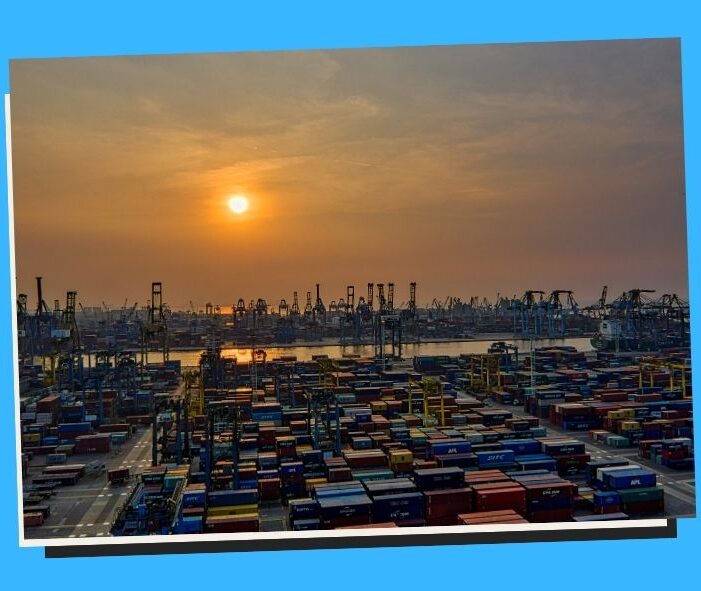
March 2025 Trade Boom: Exports and Imports Climb in the Philippines
A 9.6% trade growth could reshape the nation’s economic landscape.
PH External Trade Jumps 9.6% in March: A Promising Economic Pulse 📈🌏
In a pivotal development signaling economic resilience and potential recovery, the Philippines’ total external trade in goods surged by 9.6% in March 2025, reaching USD 17.31 billion from USD 15.80 billion in the same month a year earlier. According to the Philippine Statistics Authority (PSA), this increase was driven by robust activity in both exports and imports, painting a more optimistic outlook for Southeast Asia’s emerging economy.
This performance highlights the ongoing recovery of global demand and the country’s increasing integration into regional and global value chains, particularly in electronics, manufacturing, and key mineral sectors.
Key Benefits of the Trade Surge
- Economic Recovery Signpost: The trade growth is a key indicator of economic rebound post-pandemic and inflationary pressures.
- Increased Job Opportunities: Boosted export sectors like electronics and manufacturing tend to support thousands of jobs.
- Stronger International Relations: Trading more with the US, Hong Kong, and Japan improves diplomatic and economic ties.
- Supply Chain Resilience: Diversified import sources like China and Indonesia help mitigate future supply disruptions.
- Boost to MSMEs: Small businesses benefit from increased demand in export-oriented sectors.
- Foreign Exchange Inflows: Rising exports mean more foreign currency earnings, strengthening the peso.
- Technology Transfer: Heavy trade in electronics encourages technological advancement and innovation.
- Investment Appeal: Growing trade stats attract foreign direct investors.
- Export Diversification: Gains in mineral and manufactured goods show signs of a more varied export base.
- Revenue for Infrastructure: Trade-driven economic growth helps fuel public investments through taxes and duties.
Actionable Tips for Stakeholders
- Explore Export Niches: MSMEs should consider exporting products in electronics or minerals that are ready for international markets.
- Understand Tariff Rules: Familiarize yourself with updated import/export policies to avoid delays.
- Leverage Free Trade Agreements: Utilize ASEAN and RCEP memberships for reduced trade barriers.
- Digital Trade Platforms: Join digital marketplaces to expand international visibility.
- Boost Logistics Efficiency: Invest in warehousing, cold chain, and shipping to scale operations.
- Follow Market Trends: Stay updated on top export destinations and products in demand.
- Enhance Product Quality: Meeting global standards increases repeat export orders.
- Build Trade Networks: Attend trade fairs and B2B events to connect with global buyers.
- Monitor Currency Trends: Fluctuations can affect export profitability; plan accordingly.
- Utilize Government Support: Tap into DTI and BOI programs that assist exporters and importers.
Insightful Observations
- Electronics Remain King: With $3.64 billion in exports, electronics dominate both export and import sides of trade.
- Trade Deficit Still High: Despite growth, the trade balance remains negative, now at $4.13 billion.
- US Is a Key Ally: The US tops as an export destination, indicating strong bilateral economic ties.
- China’s Dual Role: It’s a major source of imports but lags behind as an export destination.
- Growth Driven by Imports: Imports rose faster (11.9%) than exports (5.9%), suggesting strong domestic demand.
- Fuel Costs Matter: High-value imports include mineral fuels, signaling exposure to energy price volatility.
- Transport Imports Rising: Growth in transport equipment imports hints at possible infrastructure or consumer demand upticks.
- Export Recovery Path: Year-on-year export growth suggests global demand recovery, especially for semiconductors.
- Regional Trade Interconnectivity: ASEAN neighbors like Thailand and Indonesia play critical roles as import partners.
- Watch the Balance: A persistent trade deficit could pressure currency stability and fiscal balance if not mitigated by stronger exports.
Most Asked Questions (FAQ)
1. What does a 9.6% increase in external trade mean?
It reflects greater movement of goods in and out of the country, which is often a sign of economic activity rebounding.
2. Why is the trade deficit growing despite more exports?
Because imports grew faster than exports, resulting in a higher gap between what the country buys and sells internationally.
3. Which country is the Philippines’ top export partner?
The United States, followed by Hong Kong and Japan.
4. What products are driving exports?
Electronic products lead the way, followed by manufactured goods and minerals.
5. Are higher imports bad?
Not necessarily, they may reflect higher industrial activity, consumer demand, or infrastructure development.
6. How can businesses benefit from these trends?
By tapping into growing sectors like electronics and forming export strategies tailored to key markets.
7. Will the trade deficit hurt the economy?
Not immediately, but sustained deficits can affect currency strength and foreign reserves.
8. What is the role of China in PH trade?
China is the largest source of imports, critical for electronics and manufacturing inputs.
9. How can I start exporting from the Philippines?
Register with DTI, comply with BIR and customs regulations, and find market-matching platforms or trade partners.
10. What’s next for PH trade?
With global demand recovering and strategic trade policies in place, cautious optimism is warranted, especially if exports can diversify.
Conclusion: Charting the Course for Inclusive Trade-Led Growth
The 9.6% rise in total external trade in March signals renewed momentum for the Philippine economy. With USD17.31 billion worth of goods traded globally and a healthy uptick in both exports and imports, the country demonstrates it’s more than capable of navigating the challenges of inflation, supply chain disruption, and global uncertainty.
Yet, the story doesn’t end here. To leverage this momentum, stakeholders, especially MSMEs, investors, and policymakers, must build on this progress through export diversification, market intelligence, and a smarter approach to trade deficits.
If managed well, this trade performance won’t just be a statistic it will be a foundation for resilient, inclusive, and innovation-led economic growth.
Link Resources
- Philippine Statistics Authority (PSA)
- Department of Trade and Industry (DTI)
- Bangko Sentral ng Pilipinas (BSP)
- World Bank – Philippines Overview
- Asian Development Bank – Philippines
Key Phrases
- Philippine trade recovery
- 9.6% trade growth
- March 2025 trade data
- electronic exports dominate
- top PH export markets
- import-driven expansion
- rising trade deficit
- economic growth indicators
- PSA trade statistics
- export-import trends
Best Hashtags
#PhilippineEconomy
#TradeGrowth
#PHExports
#EconomicUpdate
#PSAData
#Philippines2025
#ExportOpportunities
#GlobalTrade
#ManufacturingBoost
#DigitalEconomy

Oliver Bugarin – A blog writer with over a decade of experience in WordPress website creation and management, and creating articles on lifestyle, travel, technology, business, finance, and wellness. He is known for producing clear, engaging articles that resonate with readers and add value to any blog or website.
Contact him for collaborations or content writing opportunities. Facebook – LinkedIn
.
Save/Share this story with QR CODE
Disclaimer
This article is for informational purposes only and does not constitute endorsement of any specific technologies or methodologies and financial advice or endorsement of any specific products or services.
Contact Lead Media News
📩 Feel free to Contact Lead Media News for suggestions, collaborations, reviews, or anything else.





