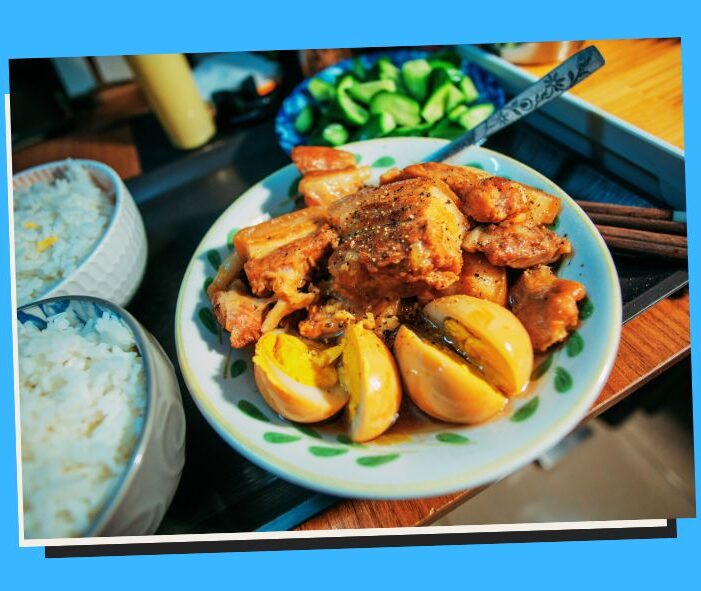
What’s in Your Adobo? How Regions Across PH Put Their Spin on a Classic
Adobo isn’t just food, it’s a flavour journey through Philippine history and geography.
🍲 The Evolution of Adobo Across Regions in the Philippines: A Flavorful Journey Through Culture and Cuisine 🇵🇭
When you think of Filipino cuisine, one dish instantly comes to mind: adobo. A staple on every Filipino table, this savory-sour-sweet delicacy has become the country’s most iconic culinary symbol. But here’s the twist: there’s no single way to cook adobo.
From the garlic-heavy Adobong Batangas to the coconut cream-laced Adobo sa Gata of Bicol, every region has its own version, infused with local ingredients, traditions, and flair. In fact, there are probably as many variations of adobo as there are islands in the Philippines. 🏝️
In this blog post, we’ll explore:
- The origin and history of adobo
- How different regions reinvent this beloved dish
- Reasons why learning regional adobo is worth your while
- A how-to guide on tasting, cooking, and celebrating adobo from across the archipelago
- And more…
Let’s dig in! 🍽️
📜 What is Adobo?
“Adobo” comes from the Spanish word adobar, which means “to marinate.” But long before colonization, early Filipinos were already preserving meat using vinegar and salt. When the Spaniards arrived, they gave the local cooking method the name adobo, though the indigenous recipe was distinctly Filipino.
At its core, adobo is:
- Protein (usually chicken or pork 🍗🐖)
- Vinegar and soy sauce (or salt 🧂)
- Garlic, pepper, and bay leaves 🌿🧄
But the beauty of adobo lies in its adaptability.
🗺️ Regional Variations of Adobo in the Philippines
Each region adds its twist to the classic recipe, turning adobo into a colorful culinary map of Filipino culture.
1. Adobong Tagalog (Luzon)
The classic version: pork or chicken simmered in vinegar, soy sauce, garlic, and peppercorns. Sometimes a bit of sugar is added for balance.
2. Adobo sa Gata (Bicol Region)
Adds coconut milk, making the dish creamy and slightly sweet. Bicolanos also love to add chili 🌶️ for that signature spicy kick.
3. Adobo sa Dilaw (Batangas)
Uses turmeric (dilaw) instead of soy sauce, resulting in a golden yellow adobo. It’s fragrant, earthy, and often cooked with chicken or pork.
4. Adobo sa Pula (Iloilo)
This Visayan version uses achuete oil (annatto seeds) for a red hue. It’s often tangy and colorful, perfect with rice.
5. Adobong Tuyo (Ilocos)
Dry-style adobo with little to no sauce. Meat is fried until crisp, often marinated only in vinegar and garlic. Perfect for long shelf life and travel!
6. Seafood Adobo (Visayas & Mindanao)
Think adobong pusit (squid), adobong hipon (shrimp), or even adobong isda (fish). These versions use the same base ingredients with seafood instead of meat.
7. Adobong Puti (Cavite)
Literally “white adobo”, no soy sauce, just vinegar, garlic, and salt. A purist’s adobo with a sharp, clean flavor.
8. Sweet-style Adobo (Pampanga)
Kapampangans often add more sugar, making their adobo sweeter and caramelized. Pork belly is a favorite cut here.
💡 Benefits of Exploring Regional Adobo Variations
1. 🍽️ Culinary Diversity
It’s like tasting the Philippines one bite at a time.
2. 📖 Cultural Education
Each version teaches you something about local history, geography, and lifestyle.
3. 🌍 Perfect for Travelers
Knowing local food helps you connect with locals when traveling across provinces.
4. 👨🍳 Cooking Skills
You’ll learn new techniques, like dry braising, adding gata, or infusing turmeric.
5. 🧡 Family Bonding
Discovering and cooking adobo can become a meaningful family tradition.
6. 🍛 Endless Variety
You’ll never get bored with adobo, it transforms with every recipe.
7. 💰 Budget Friendly
Most adobo ingredients are affordable and accessible anywhere in the Philippines.
8. 👵 Heritage Preservation
Keeps heirloom recipes alive, passed down from lolo’s and lola’s.
9. 📸 Instagram-Worthy
Colorful, unique adobo dishes are perfect for food photography.
10. 🥢 Fusion-Ready
Regional adobo can be combined with international styles, like Adobo Ramen or Adobo Tacos!
🧑🍳 How to Experience the Evolution of Adobo
Ready to dive into the world of adobo beyond soy sauce and vinegar? Here’s a step-by-step guide to get you started!
1. 👂 Ask Your Elders
Your parents or grandparents may know a regional variation you’ve never heard of. Start with family stories; many regional adobo styles are passed down orally.
📝 Take notes! These recipes may not be found in cookbooks.
2. 📚 Read and Research
Books like:
- “Kulinarya: A Guidebook to Philippine Cuisine”
- “Memories of Philippine Kitchens” by Amy Besa offers deep dives into regional recipes, including adobo.
Also check out food blogs, YouTube channels (like Panlasang Pinoy or The Adobo Chronicles), and TikTok food creators.
3. 🍴 Explore Local Food Markets
Traveling to Bicol, Pampanga, or Iloilo? Visit palengkes and ask locals how they cook their adobo. Some stalls even sell ready-to-eat versions!
🛍️ Bonus: You’ll find regional ingredients like turmeric, gata, or achuete oil.
4. 🧑🍳 Cook Your Own
Pick a variation you haven’t tried; say, Adobo sa Gata and give it a go in your kitchen. You don’t need fancy tools, just fresh ingredients and patience.
🔥 Tip: Don’t forget to cook extra rice!
5. 📸 Share Your Adobo Journey
Post your cooking process and finished dish online. Use hashtags like:
- #AdoboAllTheWay
- #AdoboChronicles
- #PinoyFoodLover
Tag your province or region to promote its unique style!
6. 🎉 Host an Adobo Party
Invite friends over and ask each guest to bring a different adobo recipe. It’s a delicious way to share culture and swap stories.
🍷 Pro tip: Pair with local drinks like calamansi juice, tuba, or San Miguel beer.
7. 💬 Interview Local Chefs
Visit restaurants or carinderias and talk to the cooks. Ask about their version of adobo. You’ll often discover secret ingredients or personal twists.
👩🍳 Some restos even serve fusion adobo (Adobo Pizza or Adobo Pasta, anyone?).
8. 🛍️ Support Local Food Creators
Buy regional sauces, gata, turmeric powder, or spice mixes online or from provincial shops. Supporting regional food economies helps keep these dishes alive.
🧄 Garlic from Ilocos, vinegar from Sorsogon, or coconut milk from Quezon, each adds authentic flavor!
9. 📝 Document Your Favorites
Keep a food journal of the adobo variations you’ve tried. Rate each one, write down cooking tweaks, and note your favorites.
📔 It’s your personal “Adobo Archive.”
10. 🌟 Teach the Next Generation
Pass down your favorite regional adobo to your kids, nieces, or nephews. Cook together during weekends or holidays. Let them stir, mix, and taste.
👦👧 That’s how culinary heritage lives on.
🌍 Adobo Around the World
Filipino communities abroad have taken adobo global. From New York to Dubai, Pinoy chefs serve regional adobo in food trucks and gourmet restos.
Some favorites abroad include:
- Adobo Burritos in California 🌯
- Adobo Bao Buns in Hong Kong 🥟
- Adobo Sushi Rolls in Japan 🍣
Each one is a creative twist on a timeless dish.
✅ Pros of Regional Adobo Variations
- Cultural Identity Through Cuisine 🌍
Each version of adobo reflects the unique identity of its region, from the Ilocano’s love for tangy dishes to the Bicolano’s fiery flair. - Culinary Diversity 🍛
There’s a version of adobo for every taste preference: sweet, spicy, dry, saucy, or even coconut-based. - Use of Local Ingredients 🌿
Regions highlight their produce, like coconut milk in Bicol or turmeric in Mindanao, elevating the dish with local flair. - Encourages Food Innovation 👩🍳
Chefs and home cooks feel free to explore, blend, and create fusion adobos with global influences. - Sustainable Cooking ♻️
Many regional recipes use local meats and plants, reducing the environmental footprint. - Preservation of Heritage 📜
Family recipes passed down through generations keep regional identities alive. - Promotes Culinary Tourism ✈️
Foodies are drawn to destinations by local dishes, with adobo being a major attraction. - Versatility in Cooking Styles 🔥
Adobo can be braised, fried, baked, grilled, or even served as a stew or dip. - Meal Longevity ⏳
The dish keeps well for days, some even say adobo tastes better over time! - Homegrown Pride 🇵🇭
Every Filipino has a version they consider the best, reflecting deep personal and regional pride.
❌ Cons and Challenges
- No Unified Definition 🤷
The diversity of adobo makes it hard to define what “real” adobo is. - Regional Rivalries 🔪
Friendly debates about the “best” adobo can sometimes turn intense! - Over-commercialization 🛒
Mass-produced adobo sauces or fast-food versions may dilute the traditional essence. - Loss of Original Recipes 🧾
Some unique regional adobos risk being forgotten due to modernization or migration. - Not Always Healthy 🧂
Some versions are high in sodium, fat, or sugar, posing dietary concerns. - Misrepresentation Abroad 🍔
Some international versions of adobo do not reflect its Filipino roots. - Cultural Confusion 🌍
Other countries (like Spain or Mexico) also have “adobo,” leading to mix-ups in global culinary spaces. - Over-dependence on Soy Sauce 🧴
Modern recipes often use soy sauce even when traditional versions didn’t. - Accessibility of Ingredients 🚫
Unique local ingredients may not be available outside their regions. - Lack of Documentation 📚
Many recipes are oral traditions and risk being lost without written preservation.
🍲 Case Studies of Regional Adobo Varieties
- Adobong Tagalog
The most common version: soy sauce, vinegar, garlic, bay leaf, and black pepper, often with pork or chicken. - Adobong Puti (White Adobo) – Cavite
No soy sauce; just vinegar, garlic, and salt. Clean, tangy, and closer to early Filipino cooking methods. - Adobo sa Gata – Bicol Region
Adds coconut milk and chili peppers for a creamy, spicy twist. - Adobo sa Dilaw – Batangas & Mindanao
Uses turmeric (dilaw) for a bright yellow color and earthy flavor. - Adobo sa Asin – Ilocos Norte
Salt replaces soy sauce, emphasizing a sharper, saltier taste. - Adobong Pula – Iloilo
Includes annatto (atsuete) for a reddish hue and subtle nutty flavor. - Adobo sa Tuba – Visayas
Fermented coconut vinegar (tuba) lends a sweet-sour complexity. - Seafood Adobo – Palawan
Uses fish, squid, or crab with regional seasonings like calamansi and ginger. - Adobo sa Luyang Dilaw – Zamboanga
Combining ginger and turmeric, offering a fragrant and healing dish. - Vegetarian Adobo – Metro Manila
Modern plant-based versions using tofu, mushrooms, or jackfruit cater to health-conscious Filipinos.
🧠 Key Takeaways
- Adobo is not just a dish, it’s a story.
Each regional variation tells of the people, climate, and culture that shaped it. - There’s no single “authentic” adobo.
Authenticity is regional, familial, and personal. - Food is a form of cultural preservation.
Regional recipes keep indigenous knowledge and identity alive. - Adobo adapts and survives.
Its evolution shows how Filipino culture embraces change while honoring roots. - It’s a symbol of Filipino resilience.
Designed to preserve meat without refrigeration, adobo was built for survival. - Modernization can enhance tradition.
Fusion adobo isn’t betrayal, it’s evolution. - Regional identity matters.
Showcasing local adobo highlights underrepresented Filipino communities. - Taste is deeply emotional.
Our favorite adobo is often tied to memory and upbringing. - Culinary documentation is crucial.
To preserve this diversity, we need to record and share regional recipes. - Adobo unites us.
Despite differences, adobo connects Filipinos across regions and generations.
❓ Frequently Asked Questions (FAQs)
1. What is the origin of adobo in the Philippines?
While the term “adobo” came from Spanish colonizers, indigenous Filipinos were already preserving meat using vinegar and salt long before colonization.
2. Is adobo always made with soy sauce?
No! Many regional recipes (like Adobong Puti) use only vinegar and salt, soy sauce came later.
3. What’s the best type of vinegar for adobo?
It depends on the region. Tuba, cane, coconut, and palm vinegar all offer different flavor profiles.
4. Can I make adobo with beef or seafood?
Yes. While pork and chicken are most common, beef, fish, squid, and crab are also used.
5. What does “adobo sa gata” taste like?
It’s rich, creamy, and mildly spicy due to coconut milk and chilies.
6. Is vegetarian adobo a traditional version?
No, but it’s a modern adaptation that retains traditional flavors with plant-based ingredients.
7. How long does adobo last?
Properly stored, it can last up to a week, and often tastes better after a day or two.
8. Can I freeze adobo?
Absolutely! It’s freezer-friendly and great for meal prep.
9. Why is adobo considered the unofficial national dish?
Because of its ubiquity, adaptability, and cultural resonance, adobo is seen as a unifying symbol of Filipino cuisine.
10. Where can I taste regional adobo varieties?
Try local carinderias, regional food festivals, or restaurants specializing in native Filipino cuisine.
✨ Conclusion
Adobo is more than food: it’s a living, evolving expression of Filipino identity. Its journey from one region to another, from one family to the next, tells a story of diversity, unity, and resilience. 🇵🇭
So, whether you’re a curious cook, a foodie adventurer, or just hungry for something new, remember: there’s always a new version of adobo waiting to be discovered.
Celebrate it. Cook it. Share it. Love it.
Because in the Philippines, adobo is not just a dish, it’s a national treasure. 💛🍛
🔗 Link Resources
- National Commission for Culture and the Arts – Filipino Culinary Heritage – Insight into regional food histories
- The Philippine Department of Tourism – Regional Dishes Guide – Features local variations of Adobo
- YouTube Series: Adobo Nation – Travel shows exploring how Adobo changes from island to island
- Pinoy Food Blogs & Vlogs (Panlasang Pinoy, Pepper.ph) – Recipes and personal takes on regional Adobo
- Cookbooks on Filipino Cuisine (e.g., “I Am a Filipino” by Nicole Ponseca) – Documenting food as culture
🔑 Key Phrases
- Regional Adobo styles
- Filipino Adobo evolution
- Adobo recipe variations
- Cultural food identity
- Pinoy regional cuisine
- Luzon vs Visayas Adobo
- Mindanao Adobo twist
- Adobo with gata
- Adobo cooking traditions
- Iconic Filipino dishes
📢 Best Hashtags
#AdoboAcrossPH
#FilipinoFoodHeritage
#RegionalAdobo
#AdoboVariations
#AdoboLove
#PinoyCuisine
#TasteThePhilippines
#AdoboEvolution
#FoodCulturePH
#FromNorthToSouth

Oliver Bugarin – A blog writer with over a decade of experience in WordPress website creation and management, and creating articles on lifestyle, travel, technology, business, finance, and wellness. He is known for producing clear, engaging articles that resonate with readers and add value to any blog or website.
Contact him for collaborations or content writing opportunities. Facebook – LinkedIn
.
Save/Share this story with QR CODE
Disclaimer
This article is for informational purposes only and does not constitute endorsement of any specific technologies or methodologies and financial advice or endorsement of any specific products or services.
Contact Lead Media News
📩 Feel free to Contact Lead Media News for suggestions, collaborations, reviews, or anything else.





