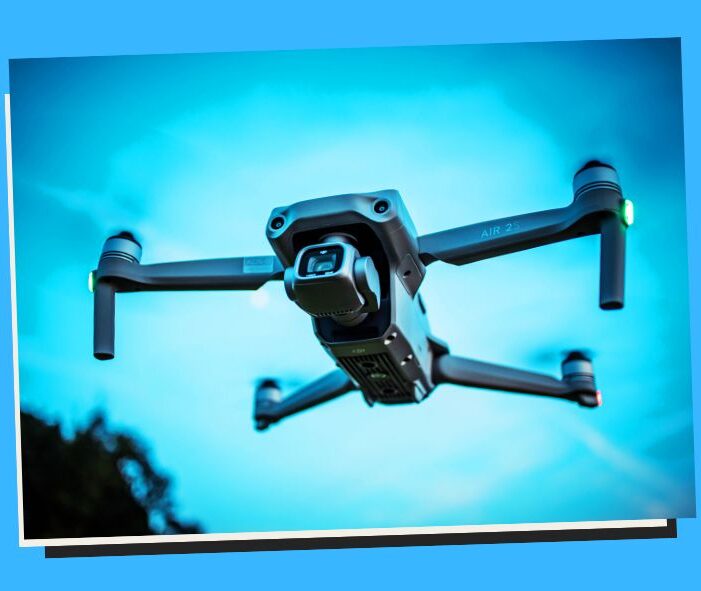
Philippine Public Safety Goes High-Tech with AI-Powered Drones
Discover how drones are becoming essential tools for disaster relief, crime fighting, and emergency response in the Philippines.
🚁 The Future of Public Safety Drones in the Philippines: A Skyward Revolution 🌐🇵🇭
In an era when technology continues to redefine how societies function, drones are taking center stage in reshaping public safety worldwide. In the Philippines, a nation of over 7,000 islands facing frequent natural disasters, dense urbanization, and remote communities, the role of drones in public safety has never been more critical or promising.
From disaster response to traffic control, and crime prevention to environmental monitoring, public safety drones are poised to revolutionize how authorities and communities ensure security and well-being. Let’s take a deep dive into how this aerial innovation is transforming the future of public safety in the Philippines and why it matters more than ever. 🛡️📡
🚨 What Are Public Safety Drones?
Public safety drones, or Unmanned Aerial Vehicles (UAVs), are drones specifically designed or configured to aid in law enforcement, emergency response, disaster management, and public service operations. These high-tech gadgets can be equipped with cameras, sensors, thermal imaging, and even communication systems to assist in:
- Search and rescue missions
- Disaster damage assessments
- Traffic and crowd monitoring
- Surveillance and patrolling
- Fire and environmental hazard detection
🧠 Why the Philippines Needs Public Safety Drones
With its unique geography and socio-political challenges, the Philippines stands to benefit immensely from drone integration in public safety:
- 🌋 Vulnerability to typhoons, earthquakes, and volcanic eruptions
- 🏙️ Congested cities with difficult-to-navigate infrastructure
- 🌊 Remote and isolated islands need quick response times
- 🌱 Growing threats from illegal logging, fishing, and mining
- 🚨 Rising concerns over urban crime and security
This is where drones come in—not just as tools, but as game-changers for community resilience.
📈 Benefits of Public Safety Drones in the Philippines
Here’s how drones are reshaping public safety in real, measurable ways:
1. ⚡ Rapid Response to Disasters
Drones provide real-time aerial views that help responders quickly assess damage and determine the safest and fastest rescue routes during calamities.
2. 🔥 Firefighting Support
Equipped with thermal imaging cameras, drones can locate fire hotspots and trapped victims, especially useful in urban fires or wildland blazes.
3. 🕵️ Crime Prevention and Surveillance
Drones help monitor large areas without risking officer safety. They can also be deployed discreetly during tactical operations or crowd control during rallies.
4. 🧭 Search and Rescue (SAR)
SAR drones can cover large terrain quickly, especially in mountainous or flooded regions. Their GPS systems and night-vision cameras are invaluable during emergencies.
5. 🛣️ Traffic Management and Accident Monitoring
Drones offer live footage for real-time traffic updates and can be deployed instantly to monitor and report on road accidents, making navigation safer.
6. 📡 Remote Communication and Coordination
In areas where infrastructure is down (e.g., after a typhoon), drones can serve as mobile communication relays, helping first responders coordinate effectively.
7. 🌿 Environmental and Wildlife Protection
Drones can monitor deforestation, coral reef damage, and illegal wildlife trafficking, assisting agencies like DENR in protecting natural resources.
8. 🏝️ Accessibility to Remote Areas
In far-flung provinces or islands, drones can be the first and fastest eyes in the sky, especially where there are no roads or airstrips.
9. 💡 Cost-Efficiency
Unlike helicopters or ground teams, drones are cheaper to deploy, require fewer resources, and deliver fast data for quicker decision-making.
10. 📊 Real-Time Data and Analytics
Modern drones can capture and transmit data-driven insights, such as mapping areas, analyzing patterns, and supporting AI-based predictive models for safety planning.
🔮 What the Future Holds for Public Safety Drones in the Philippines
As drone technology matures, its integration into public safety will deepen. Here are key future developments to watch:
1. 💻 AI-Driven Drones
Expect drones to become smarter, using AI to detect suspicious activity, recognize faces, or predict natural disaster paths.
2. 🌐 National Drone Network
A centralized drone monitoring system might connect local governments and agencies nationwide, making emergency coordination faster and more unified.
3. 🎓 Drone Training Academies
To sustain drone operations, the rise of certified drone operator programs and public safety drone schools is inevitable.
4. 📜 Drone Regulations and Safety Protocols
The Civil Aviation Authority of the Philippines (CAAP) is likely to implement stricter yet more enabling drone laws, ensuring safe, ethical use in public spaces.
5. 🔋 Battery and Payload Innovations
As drone tech evolves, so will flight time and payload capacity, allowing them to carry relief goods, medicines, or even emergency kits to unreachable zones.
✅ Pros of Using Drones for Public Safety in the Philippines
- Faster Response Time ⏱️
Drones can be deployed quickly to assess emergencies before responders arrive on the scene. - Real-Time Surveillance 📡
Live video feeds help in decision-making during disasters, riots, or criminal investigations. - Cost-Effective Operations 💸
Drones save time and money, cheaper than helicopters or other aerial tools. - Access to Hard-to-Reach Areas 🏞️
Ideal for rugged terrain or remote islands during natural calamities. - Support for Search and Rescue (SAR) 🚨
Equipped with thermal cameras, drones help locate missing persons in critical situations. - Disaster Assessment 🌀
After typhoons or earthquakes, drones provide aerial imagery to assess damage. - Crowd Monitoring During Events 🎉
Used for security during major festivals, political rallies, or religious gatherings. - Crime Scene Documentation 🕵️
Captures aerial views for investigation and legal documentation. - Traffic Management 🚗
Can monitor and manage congestion, especially during peak hours or emergencies. - Environmental Monitoring 🌋
Useful in monitoring volcanic activity, landslides, or illegal logging and fishing.
❌ Cons of Using Drones for Public Safety
- Privacy Concerns 🕶️
Citizens may feel uncomfortable being watched by drones in public spaces. - Weather Limitations 🌧️
Drones are often grounded during typhoons, heavy rains, or strong winds. - Battery Life Limitations 🔋
Most drones have a flight time of only 20-40 minutes. - Risk of Crashes or Malfunctions ⚠️
Accidental crashes could endanger people or property. - Training Requirements 📚
Skilled operators are needed for effective and safe usage. - High Initial Costs for Advanced Models 💰
High-end drones equipped with thermal or night vision cameras can be expensive. - Regulatory Restrictions 📜
Operators must comply with CAAP (Civil Aviation Authority of the Philippines) regulations. - Cybersecurity Risks 🛡️
Live video streams can be vulnerable to hacking if not secured properly. - Overdependence on Technology 🤖
Tech failures may hamper critical missions if human alternatives aren’t prepared. - Ethical Concerns ⚖️
Potential misuse for unauthorized surveillance or political purposes.
📚 Case Studies of Public Safety Drone Use in the Philippines
- Typhoon Odette (2021) 🌪️
Drones were used in Surigao and Dinagat Islands to assess typhoon damage when roads were inaccessible. - Taal Volcano Eruption (2020) 🌋
PHIVOLCS and disaster responders deployed drones to monitor volcanic activity and ashfall damage. - COVID-19 Lockdowns (2020) 🚫
Local LGUs in Metro Manila used drones for crowd monitoring and announcements. - Search and Rescue in Baguio Forest (2022) 🌲
A lost hiker was located using a drone equipped with thermal imaging. - Eid’l Fitr Celebrations in Marawi (2023) 🕌
The military used drones to monitor large public gatherings for security. - Illegal Fishing Operations in Palawan (2021) 🎣
Marine drones helped catch illegal fishers operating in protected zones. - Road Traffic Monitoring in Cebu City (2022) 🚦
Drone footage helped with real-time traffic rerouting during festivals. - Fire Incident in Quezon City (2021) 🔥
Fire responders used drones to assess the spread and guide evacuation. - Earthquake Response in Mindanao (2019) 🏚️
Drone imagery helped map out affected zones for emergency relief. - Election Monitoring in Davao (2022) 🗳️
Authorities used drones to detect crowd surges and prevent electoral violence.
💡 Key Takeaways
- Drones offer unmatched speed and perspective during crises.
- They’re cost-efficient, especially compared to traditional aerial methods.
- Training and certifications are essential to prevent misuse.
- Drone policies in the Philippines are evolving, requiring careful compliance.
- Privacy and ethical usage must be prioritized.
- Battery limitations should be addressed with strategic deployment or backups.
- Advanced technology is an investment, not a luxury, for public safety.
- Collaboration between LGUs, police, and emergency services enhances drone efficiency.
- Rural and disaster-prone areas benefit greatly from drone operations.
- Public awareness and trust are vital for successful drone integration.
❓ FAQs About Public Safety Drones in the Philippines
1. What government agency regulates drones in the Philippines?
✈️ CAAP (Civil Aviation Authority of the Philippines) regulates drone use under its RPAS (Remotely Piloted Aircraft Systems) policies.
2. Do public safety drone operators need a license?
🎓 Yes. Operators must complete CAAP training and acquire an RPA Controller Certificate.
3. Are drones allowed to fly over residential areas?
🏘️ Only with CAAP approval and when necessary for public safety, to avoid privacy violations.
4. What types of drones are used for public safety?
📷 Drones with HD cameras, thermal sensors, and GPS for mapping and surveillance.
5. Can drones fly at night during emergencies?
🌙 Yes, but only if equipped with night-vision tech and with CAAP clearance.
6. How high can public safety drones fly?
⛰️ Up to 400 feet AGL (above ground level), unless otherwise permitted by CAAP.
7. What are the penalties for unauthorized drone use?
⚖️ Penalties include fines, imprisonment, or confiscation of the drone.
8. How are drones helping in disaster-prone provinces?
🌀 They’re mapping flood zones, assessing damages, and guiding relief distribution.
9. Can drones be hacked?
💻 Yes, if not secured. Using encrypted channels and secured firmware is essential.
10. Are there local drone training schools in the Philippines?
🎓 Yes! Institutions like Altitude Aviation and Unmanned Systems Consulting offer certified courses.
🌐 Conclusion: Are We Ready for a Drone-Powered Future?
The Philippines is well on its way to leveraging drones for a safer, smarter future 🛡️. While the technology brings massive benefits to public safety, we must also handle its implementation responsibly, with attention to training, regulation, ethics, and community trust.
As climate change and urban challenges rise, drones may soon become as common as ambulances or fire trucks in our public safety toolkit.
So, whether you’re a policymaker, first responder, or simply a curious Pinoy 🇵🇭, keep an eye on the sky—the future of safety is airborne! 🚁✨
Link Resources on Public Safety Drones in the Philippines
- Civil Aviation Authority of the Philippines (CAAP) – Drone Regulations
📜 https://caap.gov.ph/?s=drone - Republic Act No. 11313 – Philippine Data Privacy Law (for surveillance concerns)
🛡️ https://www.privacy.gov.ph/data-privacy-act/ - Department of Science and Technology – DOST DRRM Innovations
🧪 https://www.dost.gov.ph/component/search/?searchword=drone&searchphrase=all&Itemid=0 - PHIVOLCS – Volcanic Monitoring Using Drones
🌋 https://www.phivolcs.dost.gov.ph - Disaster Risk Reduction Management Updates from NDRRMC
⚠️ https://ndrrmc.gov.ph - News Article: Drones Used in Taal Volcano Monitoring (ABS-CBN News)
📰 https://news.abs-cbn.com/news/2020/01/14/drones-used-to-monitor-taal-volcano - DroneDeploy Global Mapping and Search & Rescue Tools
🌐 https://www.dronedeploy.com
Key Phrases
- future of public safety drones
- drone technology in the Philippines
- emergency response drones
- aerial surveillance for law enforcement
- public safety innovation
- smart drone systems
- disaster relief technology
- Philippine drone regulation
- drones in crime prevention
- AI drones for public safety
Best Hashtags
- #PublicSafetyDrones
- #DronesInPH
- #FutureOfSafety
- #SmartDrones
- #AerialSurveillance
- #DisasterTechPH
- #DroneResponsePH
- #TechForGoodPH
- #AIandDrones
- #SafeSkiesPH

Oliver Bugarin – A blog writer with over a decade of experience in WordPress website creation and management, and creating articles on lifestyle, travel, technology, business, finance, and wellness. He is known for producing clear, engaging articles that resonate with readers and add value to any blog or website.
Contact him for collaborations or content writing opportunities. Facebook – LinkedIn
.
Save/Share this story with QR CODE
Disclaimer
This article is for informational purposes only and does not constitute endorsement of any specific technologies or methodologies and financial advice or endorsement of any specific products or services.
Contact Lead Media News
📩 Feel free to Contact Lead Media News for suggestions, collaborations, reviews, or anything else.





