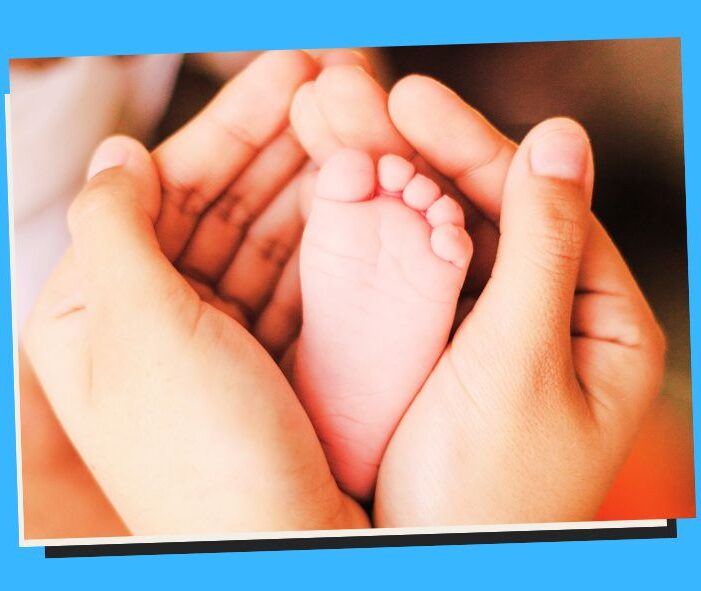
What Parents Need to Know About the First 1,000 Days of Child Development
Discover parenting strategies that build a child’s lifelong foundation.
Battling Inequality Through Early Childhood Education and Nutrition in the Philippines
In the Philippines, thousands of children in geographically isolated and disadvantaged areas (GIDAs) grow up without access to proper early education and nutrition. These two critical factors – learning and nourishment – shape a child’s brain, health, and long-term future. Recognizing this, the Department of Education (DepEd) and the Department of Budget and Management (DBM) have taken a vital step: signing a joint circular that paves the way for establishing more Child Development Centers (CDCs) in underserved areas.
This development aligns with President Ferdinand Marcos Jr.’s directive to provide quality early education for all Filipino children. However, beyond constructing centers, the initiative must address a broader, more urgent issue: the link between early education and nutrition. One without the other is insufficient. If children come to school hungry, malnourished, or stunted, no learning environment can compensate for the disadvantage they already face.
Tips to Enhance Early Education and Nutrition Programs in GIDAs
- Prioritize CDC Construction in High-Stunting Areas
Align CDC location planning with stunting prevalence data from the DOH and UNICEF. - Implement Daily Feeding Programs
Ensure every CDC integrates feeding initiatives to combat hunger and improve concentration. - Train Local Health Workers and Educators Together
Encourage cross-training on early childhood care and nutrition for a holistic approach. - Involve Parents Through Workshops
Host nutrition and parenting seminars for families, especially during a child’s first 1,000 days. - Ensure Community Involvement in CDC Planning
Consult with barangay councils and community leaders for relevance and sustainability. - Use Local and Nutritious Ingredients for Feeding Programs
Support local farmers and ensure culturally appropriate food is served. - Track Child Development Progress Regularly
Implement a system of health and learning milestones from infancy onward. - Leverage Existing Multipurpose Buildings
Retrofit barangay halls or schools into CDCs while new ones are being built. - Establish Mobile CDC Units for Remote Areas
Bring early education and nutrition services to hard-to-reach barangays via mobile units. - Apply for Local Government Support Fund (LGSF) Strategically
Maximize funds under the joint circular for long-term infrastructure and human resource development.
Key Insights on Early Education and Nutrition
- Education begins before schooling – Cognitive and emotional development starts in infancy.
- Nutrition influences learning – Malnourished children struggle with focus, memory, and resilience.
- GIDAs face compounded barriers – Isolation, poverty, and conflict disrupt access to basic services.
- Stunting is a silent crisis – One in three Filipino children are stunted, affecting brain and physical development.
- Early intervention is cost-effective – Investing in the first five years yields the highest returns in human capital.
- Parents are partners – Caregiver engagement in early years is crucial to reinforce CDC efforts.
- Infrastructure must be inclusive – CDCs should be safe, accessible, and adapted to local conditions.
- Health and education must converge – Separate departments must work hand-in-hand in CDC implementation.
- Local governments are key – Barangays and LGUs are the frontliners of change on the ground.
- Holistic development is national development – Educated, nourished children are the cornerstone of future prosperity.
Frequently Asked Questions (FAQs)
1. What is a Child Development Center (CDC)?
A CDC is a facility that provides early childhood education and care services, including health, nutrition, and learning programs for children aged 0-5.
2. Why focus on children aged 0–5 years?
This is the most critical period for brain development, learning capacity, and long-term health.
3. What are GIDA areas?
Geographically Isolated and Disadvantaged Areas (GIDAs) are remote, underdeveloped communities often lacking in health, education, and infrastructure.
4. How does nutrition affect education?
Proper nutrition boosts brain function, school readiness, and resilience, while malnutrition leads to stunting and learning delays.
5. What is stunting and why is it a problem?
Stunting is low height-for-age due to chronic malnutrition, linked to poor cognitive development and low school performance.
6. What role do LGUs play?
Local government units plan, implement, and monitor CDCs, ensuring funding and community participation.
7. Can parents get involved in CDCs?
Yes. Parents are encouraged to participate in workshops, nutrition education, and home-based early learning.
8. Is the program available nationwide?
The joint circular prioritizes underserved areas first, but aims to expand CDC coverage nationwide over time.
9. How are CDCs funded?
Through the Local Government Support Fund (LGSF), with guidance from the DepEd-DBM circular.
10. What else can be done to support early childhood development?
Strengthening inter-agency collaboration, improving data systems, and empowering communities are key.
Conclusion: The Power of a Strong Start
Early childhood development is not merely a social issue—it is a national investment. Ensuring Filipino children receive both early education and proper nutrition sets them on a path toward health, productivity, and meaningful participation in society. The challenge is great, especially in GIDAs, but the solution is within reach.
If LGUs act with urgency and national directives are implemented faithfully, then every child—regardless of birthplace—can have an equal shot at a brighter future. In the face of chronic malnutrition and inequality, the creation of CDCs is a timely and strategic response. These centers must not only teach children but nourish them physically and mentally to become the leaders and changemakers of tomorrow.
Link Resources
- DepEd Official Website
- Department of Budget and Management
- UNICEF Philippines – Nutrition
- Early Childhood Care and Development (ECCD) Council
- World Bank Report on Early Childhood Education
- Philippine Statistics Authority – Health and Nutrition
- National Nutrition Council
- DOH – GIDA Mapping Report
- Save the Children Philippines
Key Phrases
- Early childhood development
- Child development centers (CDCs)
- Geographically isolated and disadvantaged areas (GIDAs)
- Stunting in the Philippines
- Local Government Support Fund (LGSF)
- Joint circular DepEd-DBM
- Holistic child development
- First 1,000 days
- Feeding program for kids
- Education equity in remote areas
Best Hashtags
#EarlyEducationPH
#NutritionMatters
#BuildCDCsNow
#NoChildLeftBehind
#StuntingCrisis
#EducateToElevate
#LGUsForChildren
#MindAndBodyDevelopment
#First1000DaysPH
#InclusiveEducationPH

Oliver Bugarin – A blog writer with over a decade of experience in WordPress website creation and management, and creating articles on lifestyle, travel, technology, business, finance, and wellness. He is known for producing clear, engaging articles that resonate with readers and add value to any blog or website.
Contact him for collaborations or content writing opportunities. Facebook – LinkedIn
.
Save/Share this story with QR CODE
Disclaimer
This article is for informational purposes only and does not constitute endorsement of any specific technologies or methodologies and financial advice or endorsement of any specific products or services.
Contact Lead Media News
📩 Feel free to Contact Lead Media News for suggestions, collaborations, reviews, or anything else.





