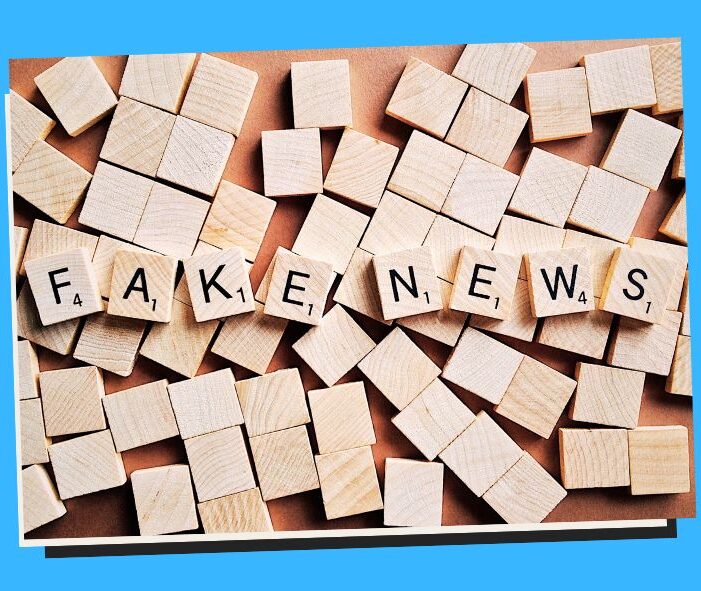
90 Million Filipinos at Risk: Fighting Fake News Online
Learn how to spot and stop disinformation before it spreads.
Battling Disinformation in the Age of Social Media
The Philippines has emerged as one of the most social media-savvy nations in the world. With over 90.8 million active social media users, platforms like Facebook, YouTube, and TikTok have become modern public squares, shaping national conversations and influencing political landscapes.
But in this hyperconnected era, social media has morphed into both a megaphone for the people and a weapon of manipulation. It has enabled free expression and civic participation, but it has also opened the floodgates for disinformation, misinformation, and the deliberate distortion of truth.
The Tricom hearings in Congress, which investigate online content creation and disinformation, underscore the urgency of this issue. While proposals to regulate online content spark debate about constitutionality and free speech, they also reflect a critical dilemma: how do we protect the truth without compromising freedom?
The Dangerous Rise of Digital Disinformation
Disinformation isn’t simply incorrect information. It’s strategic, intentional, and often politically motivated. In the Philippines, troll farms, fake accounts, and echo chambers spread lies that can influence elections, destroy reputations, and undermine democratic institutions.
From denying extrajudicial killings to accusing political critics of being funded by terrorist groups or drug cartels, the online space has become a battleground of manipulated narratives. When vloggers and influencers amplify these falsehoods, sometimes monetized and algorithmically rewarded, they erode public trust and civic integrity.
And it’s not just the lies themselves that harm. The tone of discourse has declined sharply. Vulgar language, personal attacks, and profane commentary have replaced civil debate. Influencers wielding clout use their platforms not to enlighten, but to enrage and divide.
Actionable Tips to Combat Disinformation
- Verify before sharing – Use fact-checking sites like Vera Files or Rappler’s Fact Check to confirm claims.
- Think twice, read more – Don’t share based on headlines alone. Read the full content and understand the context.
- Support credible sources – Follow legitimate news outlets with editorial accountability.
- Engage respectfully – Call out falsehoods without name-calling or flaming.
- Teach digital literacy – Educate others, especially youth and older adults, on identifying fake news.
- Check the creator’s background – Know who’s behind the content. Follow the money or affiliations.
- Understand algorithms – Be mindful that your feed may not show you the full picture, just what you tend to agree with.
- Avoid echo chambers – Intentionally follow a variety of perspectives.
- Report false content – Platforms like Facebook and YouTube allow users to report disinformation.
- Model integrity – Use your own social media presence to spread truth and respectful discourse.
Deep Insights on the Disinformation Crisis
- Disinformation is a strategic weapon used to manipulate public opinion, not just to mislead.
- Troll armies and fake accounts operate in a coordinated fashion to spread propaganda.
- Monetization incentivizes outrage, making divisive content profitable.
- Social media lacks strong regulation in the Philippines, leaving loopholes for abuse.
- The digital literacy gap makes many Filipinos vulnerable to online deception.
- The 1987 Constitution protects free speech, but it doesn’t mean it is free from consequences.
- Fact-checkers are under attack, often discredited or harassed by online mobs.
- Vulgarity is normalized, affecting how society views decency and dialogue.
- Algorithms prioritize engagement, not truth, making polarizing content more visible.
- Public discourse is under siege, and the health of our democracy is at stake.
Frequently Asked Questions
1. What is the difference between disinformation and misinformation?
Disinformation is intentionally false and meant to deceive; misinformation may be false but is shared without malice.
2. Can social media regulation be done without violating free speech?
Yes, but it requires carefully crafted policies that target harmful behaviors, not legitimate opinions.
3. Why do people fall for fake news?
Confirmation bias, emotional appeals, and lack of digital literacy make disinformation more persuasive.
4. What is the Tricom hearing about?
It investigates the spread of disinformation online and whether regulatory measures are needed.
5. Should vloggers be held accountable for their content?
Yes, with influence comes responsibility. False claims and incivility must be called out.
6. How do troll farms operate?
They use fake accounts or hired staff to create trends, smear opponents, and manipulate conversations.
7. Is disinformation affecting elections?
Yes. There’s evidence that coordinated campaigns influence voter behavior and perception.
8. What’s wrong with using vulgarity to express opinions?
It degrades public discourse and sets a poor example, especially for younger audiences.
9. Can social media platforms be regulated from the Philippines?
Not easily, many have no legal presence here, complicating jurisdiction and enforcement.
10. How can I be part of the solution?
Stay informed, speak up respectfully, fact-check, and educate those around you.
Conclusion: Our Responsibility in the Digital Age
The digital battlefield has made every Filipino a frontline soldier in the war against disinformation. In a world where truth is constantly under attack, integrity, discernment, and courage are the weapons we need.
While it’s tempting to silence dissenting voices, true democracy requires balancing freedom and responsibility. Influencers must lead with integrity, platforms must be held accountable, and the public must commit to digital literacy.
Battling disinformation is not just about laws or algorithms; it’s about people. It’s about us. Our clicks, our shares, our choices.
Let us protect the truth, defend decency, and restore dignity in digital discourse.
Link Resources for Truth and Digital Literacy
- Vera Files Fact Check
- Facebook Community Standards
- YouTube Disinformation Policy
- UNESCO: Fighting Disinformation
- FactCheck.org
- Cybercrime Prevention Act (RA 10175)
Key Phrases
- Digital disinformation crisis
- Social media truth defense
- Filipino digital literacy
- Combatting fake news
- Ethical content creation
- Responsible online speech
- Social media accountability
- Free speech vs. hate speech
- Democracy and disinformation
- Digital citizenship in PH
Best Hashtags
#StopDisinformation
#DigitalLiteracyPH
#FactsFirstPH
#NoToFakeNews
#SocialMediaResponsibility
#DefendTruth
#EthicalInfluencing
#RespectOnline
#ProtectDemocracyPH
#VerifyBeforeYouShare

Oliver Bugarin – A blog writer with over a decade of experience in WordPress website creation and management, and creating articles on lifestyle, travel, technology, business, finance, and wellness. He is known for producing clear, engaging articles that resonate with readers and add value to any blog or website.
Contact him for collaborations or content writing opportunities. Facebook – LinkedIn
.
Save/Share this story with QR CODE
Disclaimer
This article is for informational purposes only and does not constitute endorsement of any specific technologies or methodologies and financial advice or endorsement of any specific products or services.
Contact Lead Media News
📩 Feel free to Contact Lead Media News for suggestions, collaborations, reviews, or anything else.





